
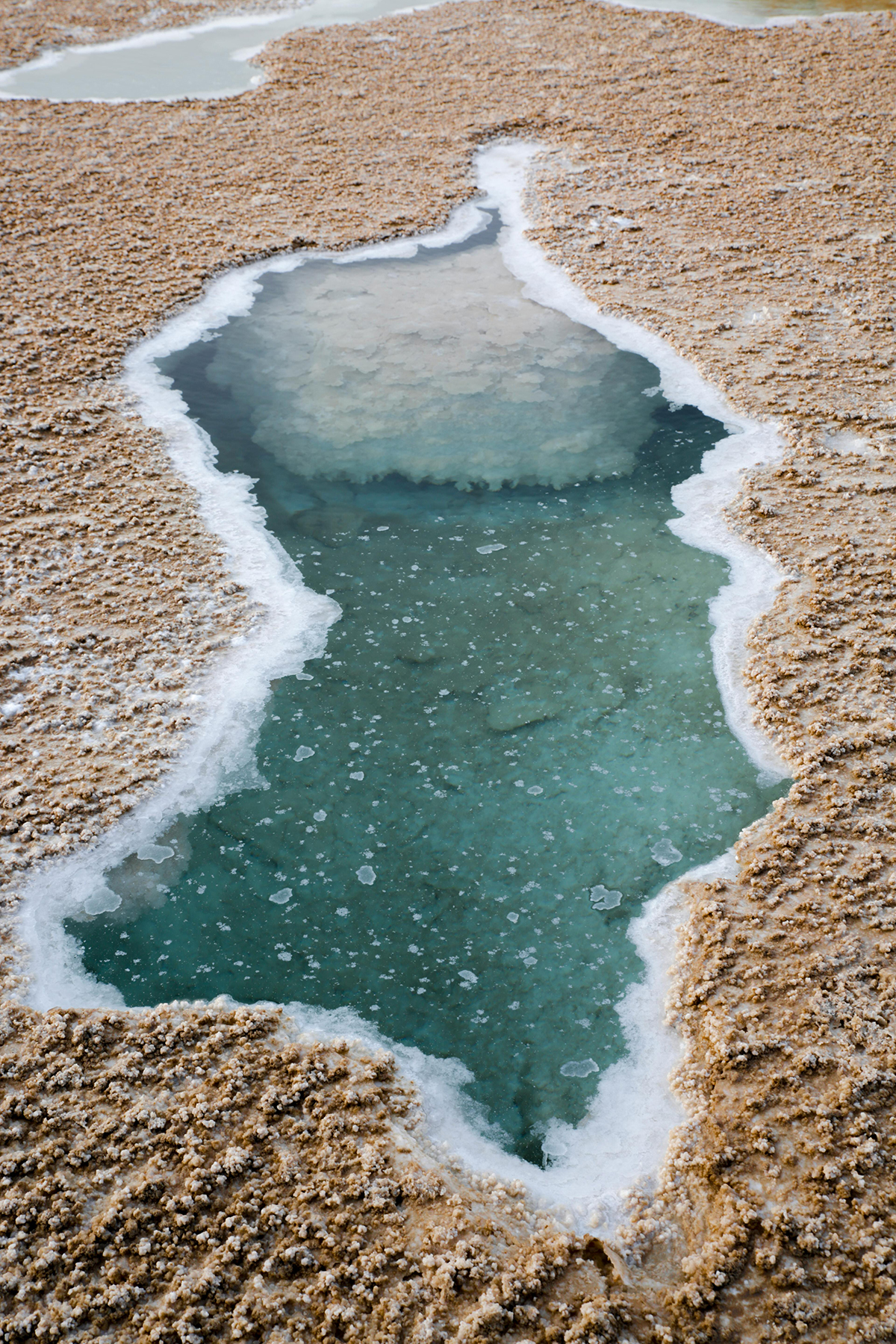
Located in the Western Desert of Egypt, between the Qattara Depression and the Great Sand Sea, is the Siwa Oasis. This urban oasis is situated 50 km east of the Libyan border and 560 km from Cairo. It measures about 80 km in length and 20 km in width, and it is one of Egypt's most isolated settlements with about 33,000 people, mostly Berbers, who developed a unique and isolated desert culture and a language called Siwi. One of the primary reasons for Siwa Oasis's fame is its ancient role as the home to an oracle of Ammon. The ruins of the oracle are a popular tourist attraction, which gave the oasis its ancient name, Oasis of Amun Ra. Visitors can explore the ruins of the oracle and learn about its significance in ancient Egyptian history and mythology.
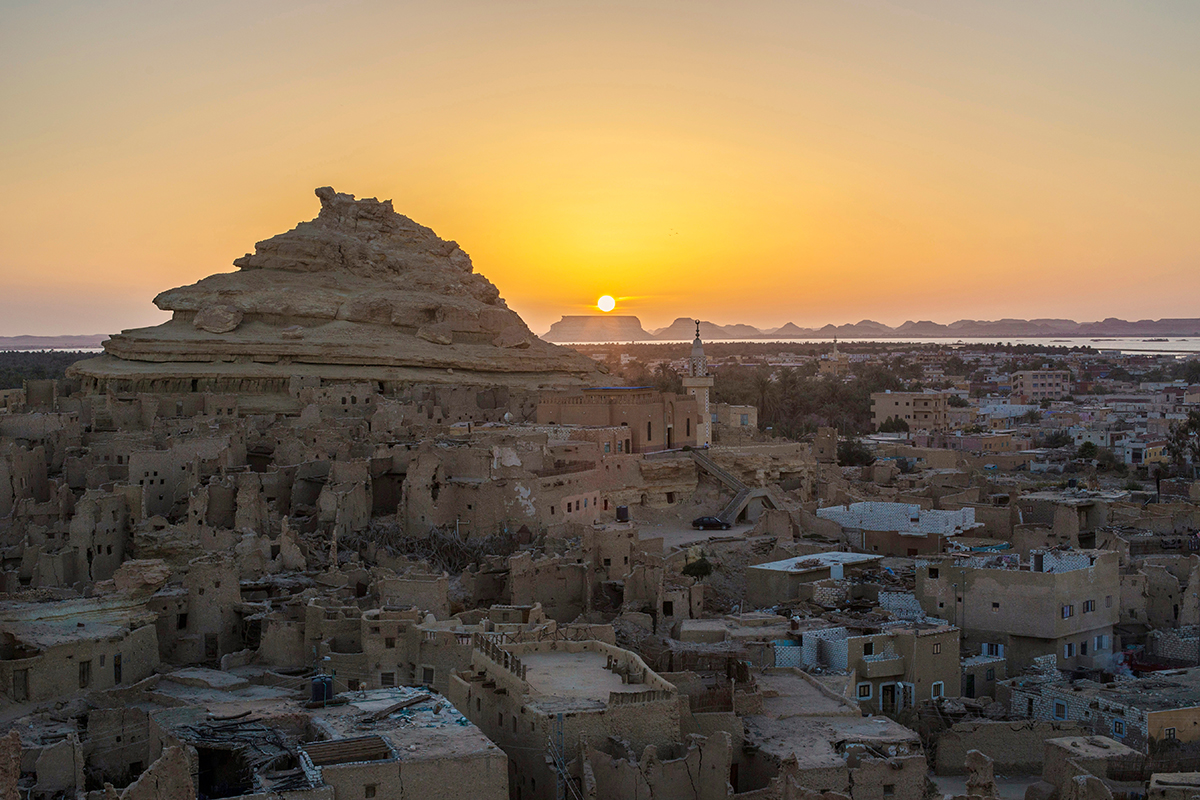
With a history dating back to the 12th century AD, Shali Village stands as a remarkable example of Siwa Oasis’s unique architectural heritage. The village is built in a unique style from the material of the archive, which is clay saturated with salt, making it similar to cement in its hardness once it dries up. This construction technique and its historical significance are worth discovering while exploring the village. The city of Shali is surrounded by a sturdy building wall that has only one entrance called "The Bab Anshal", meaning the gate of the city. On the northern side of the city wall is the ancient mosque, which is the oldest mosque built with mud in Africa. Visitors can explore this fascinating mosque and learn about its historical significance. The village of Shali includes the Al-Ateeq Mosque and the Sheikha Hasina Mosque, known as the Tandi Mosque, in addition to the city's houses and ruins of its buildings. Visitors can also discover the six deep water wells that served the people of the oasis in drinking water.
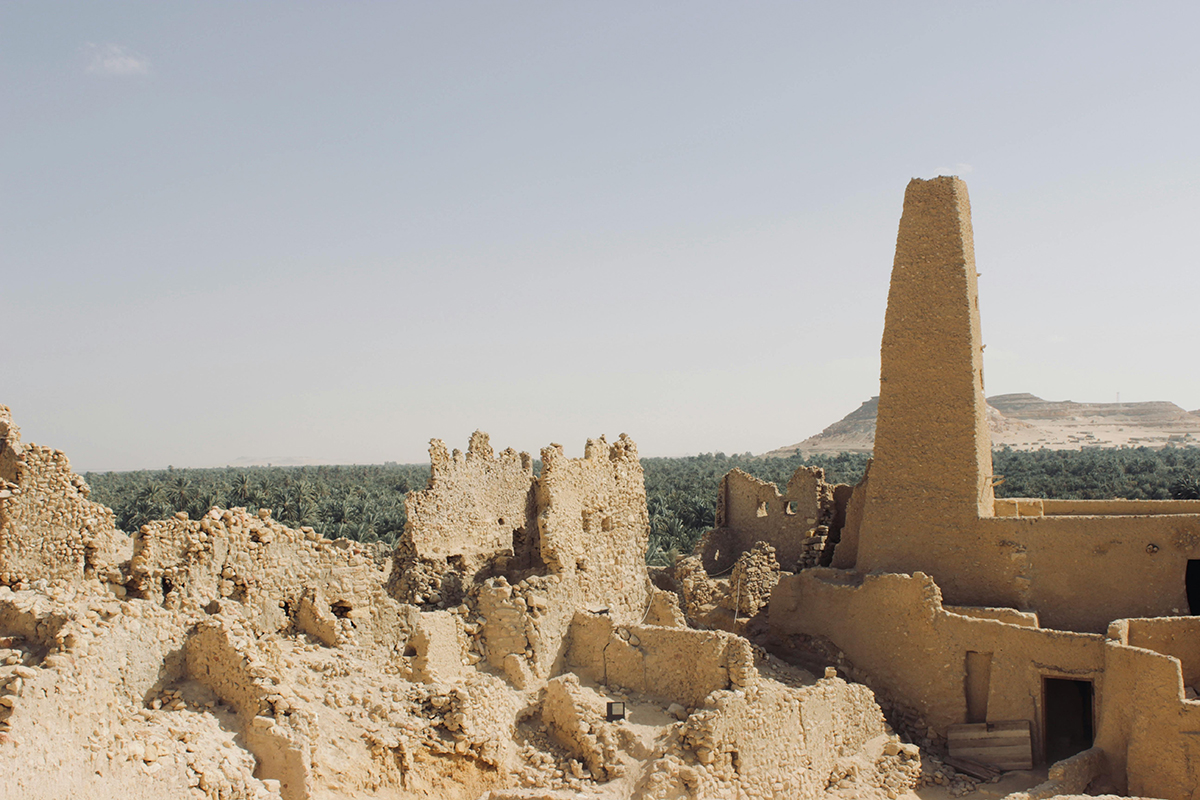
Amun Temple holds a unique place in history, most famously associated with Alexander the Great’s visit in 331 BC when he was accompanied by a large party of friends and soldiers, including the historian Callisthenes. Alexander was greeted by the temple's high-priest as the king of Egypt, and the oracle bestowed divinity upon him. It is unclear whether these events took place at the temple in Siwa Oasis, the nearby temple at Aghurmi, or a combination of the two. Discover the unique architecture and design of the temple, with stunning carvings and reliefs depicting the gods and goddesses of ancient Egyptian mythology. Visitors can learn about the role of oracles in ancient Egyptian culture and the beliefs that shaped them. Despite its unclear history, the temple in Siwa Oasis is a must-visit destination for anyone interested in ancient Egyptian history, mythology, and the role of oracles in ancient cultures. It offers a fascinating insight into a bygone era of human history and the beliefs that shaped it.
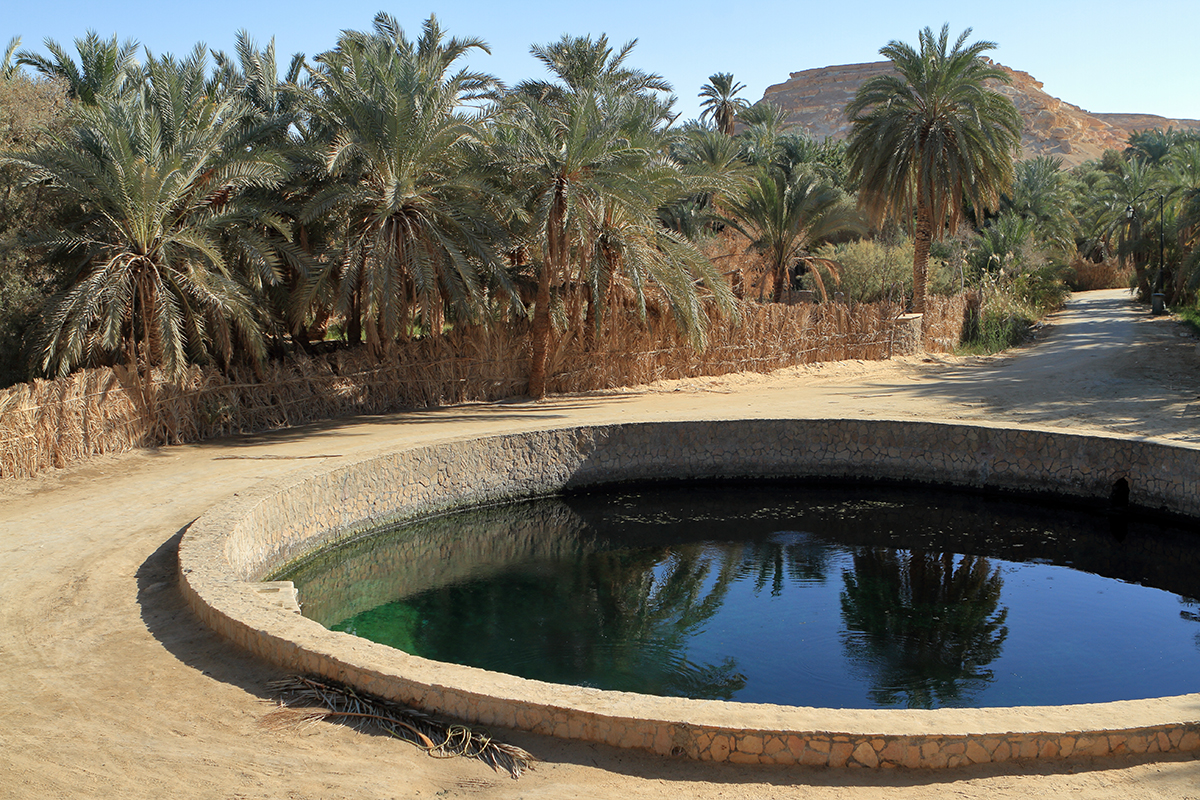
Considered the most famous tourist attraction in Siwa Oasis, the Cleopatra Spring is one of the natural springs in the area. According to local legend, the Egyptian queen Cleopatra swam in the spring during her visit to Siwa. The Cleopatra Spring is a popular destination for visitors, who come to relax in its crystal-clear waters and enjoy the tranquil surroundings. The spring is surrounded by palm trees and other lush vegetation, creating a picturesque oasis in the middle of the desert. In addition to swimming, visitors can also explore the area around the Cleopatra Spring and learn about the local flora and fauna, as well as the history and culture of the Siwa Oasis. The spring is a must-visit destination for anyone traveling to Siwa, and offers a unique opportunity to experience the beauty and tranquility of this ancient oasis.
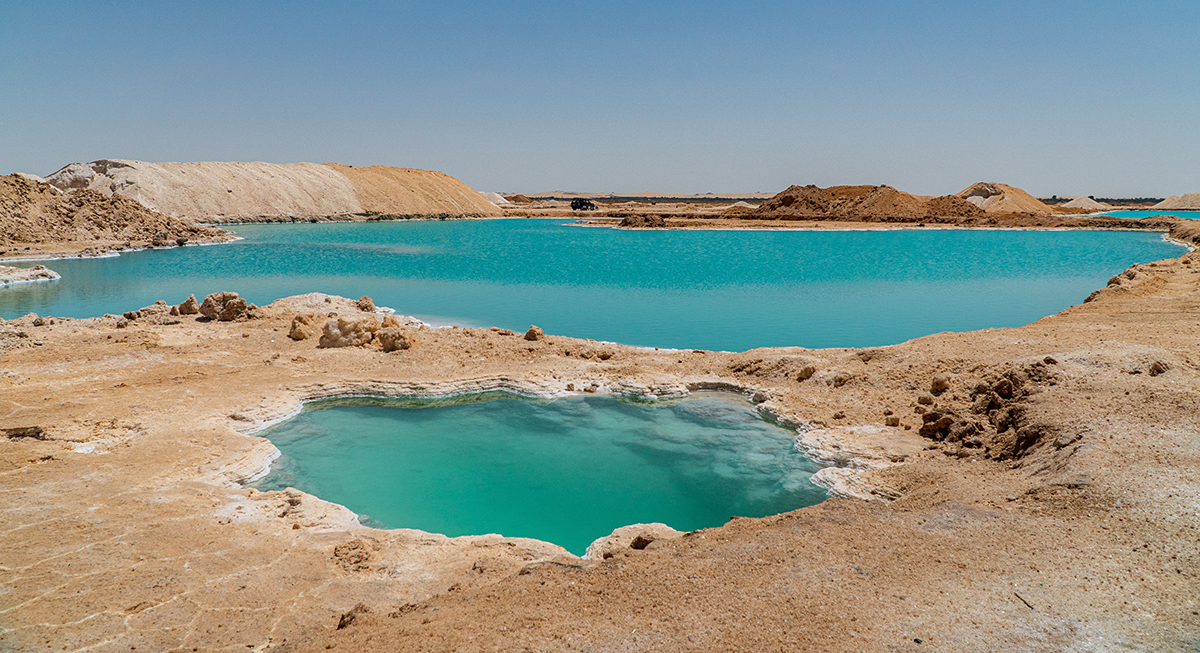
Al-Tibtah Mountain offers a unique opportunity to experience the natural beauty of the Siwa Oasis and enjoy swimming in crystal clear water. The mountain is home to a beautiful lake that is four meters deep, but visitors can swim safely as the water has a high capacity due to the large amount of natural salt mixed in it. In addition to swimming, visitors can also benefit from the natural medical treatment provided by the water, which is believed to be beneficial for the eyes, skin, and sinuses.