
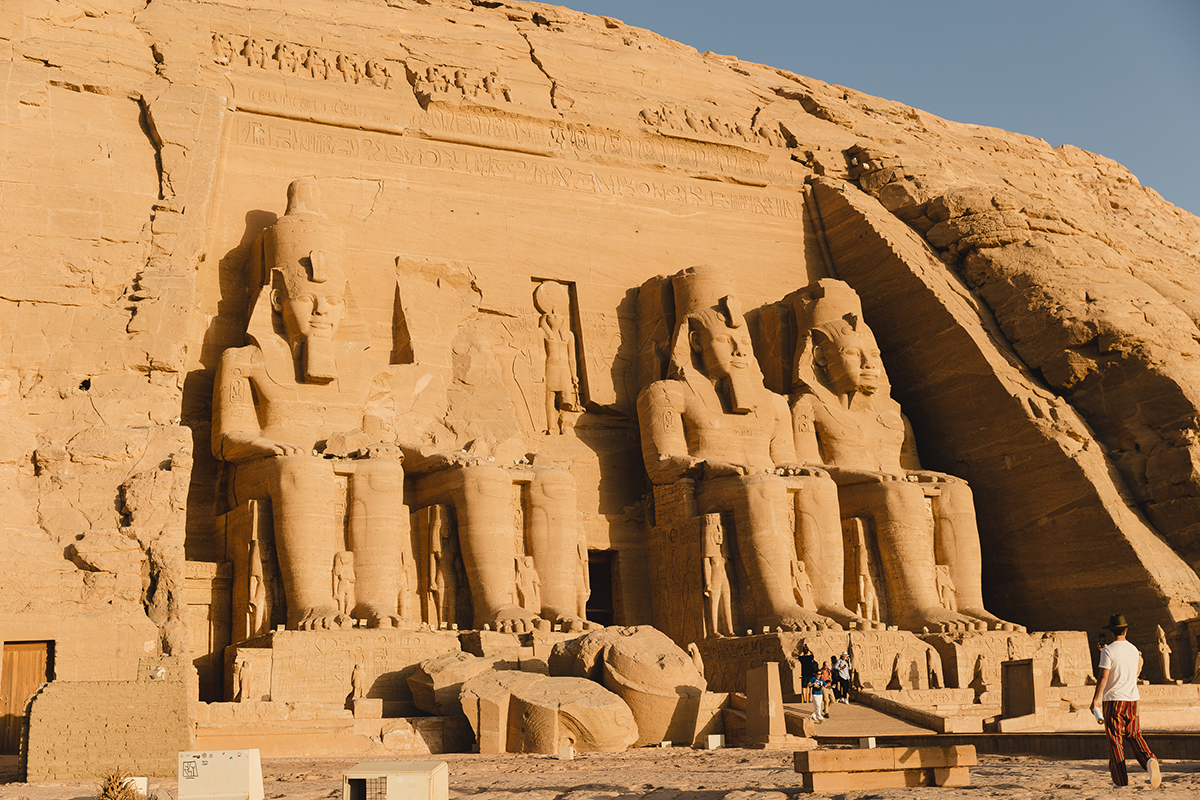
Abu Simbel is an awe-inspiring ancient temple complex located in southern Egypt at the second cataract of the Nile River. The site consists of two temples that were originally cut into a solid rock cliff during the reign of Ramesses II (c. 1279 - c. 1213 BCE), between 1264 - 1244 BCE or 1244-1224 BCE, depending on differing interpretations of the life of Ramesses II by modern scholars. The Great Temple at Abu Simbel is dedicated to the gods Amun, Ra-Horakhty, and Ptah, as well as to Ramesses II himself. The temple features four colossal statues of the pharaoh, each standing at an impressive 20 meters tall, guarding the entrance. The interior of the temple is adorned with intricate carvings and reliefs depicting Ramesses II and the gods. The Small Temple at Abu Simbel is dedicated to Ramesses' wife, Queen Nefertari, and also features impressive carvings and reliefs. It is smaller in size compared to the Great Temple but no less impressive in terms of its art and design.
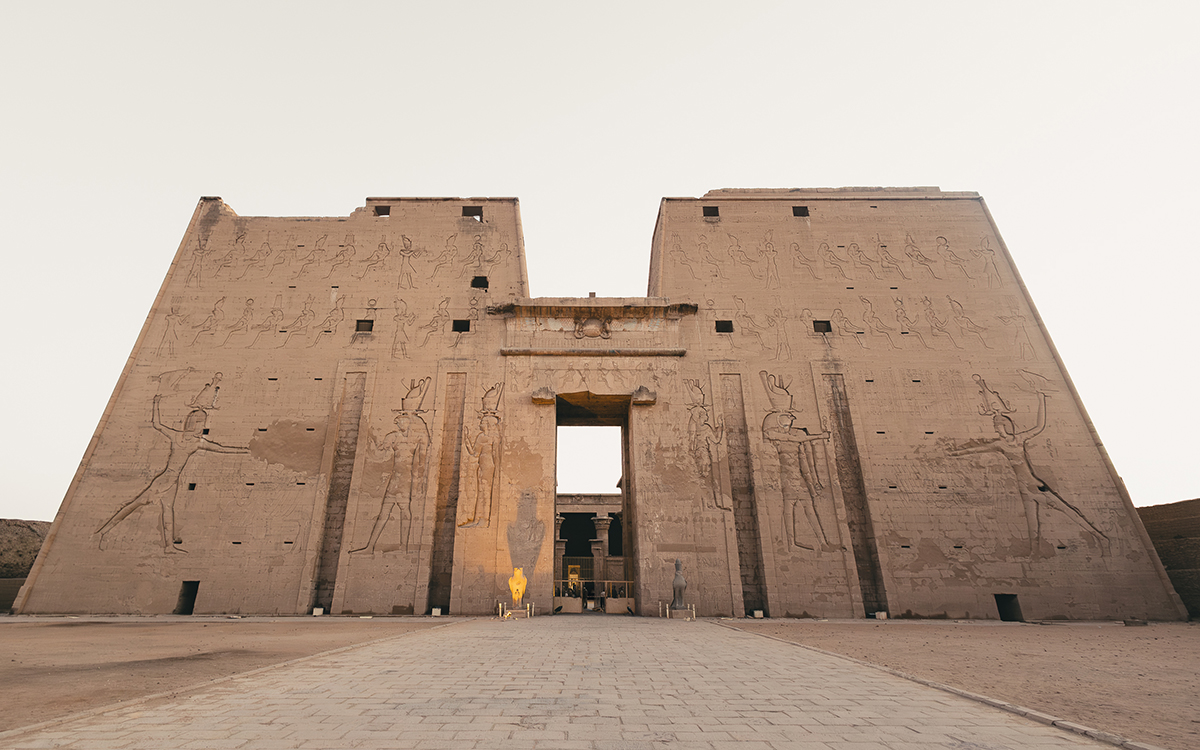
As one of the most striking and best-preserved ancient Egyptian temples, Edfu Temple is dedicated to the worship of the falcon-headed god Horus. Situated on the western bank of the Nile, the temple was constructed over 180 years, beginning in 237 BC during the reign of Ptolemy III and completed in 57 BC under Ptolemy XII. As you enter the temple, you are greeted by two massive pylons adorned with scenes of Ptolemy XII conquering his enemies and worshipping the gods. Two large granite statues of Horus stand before the entrance, beyond which lies a grand Peristyle Court lined with columns decorated with floral capitals.
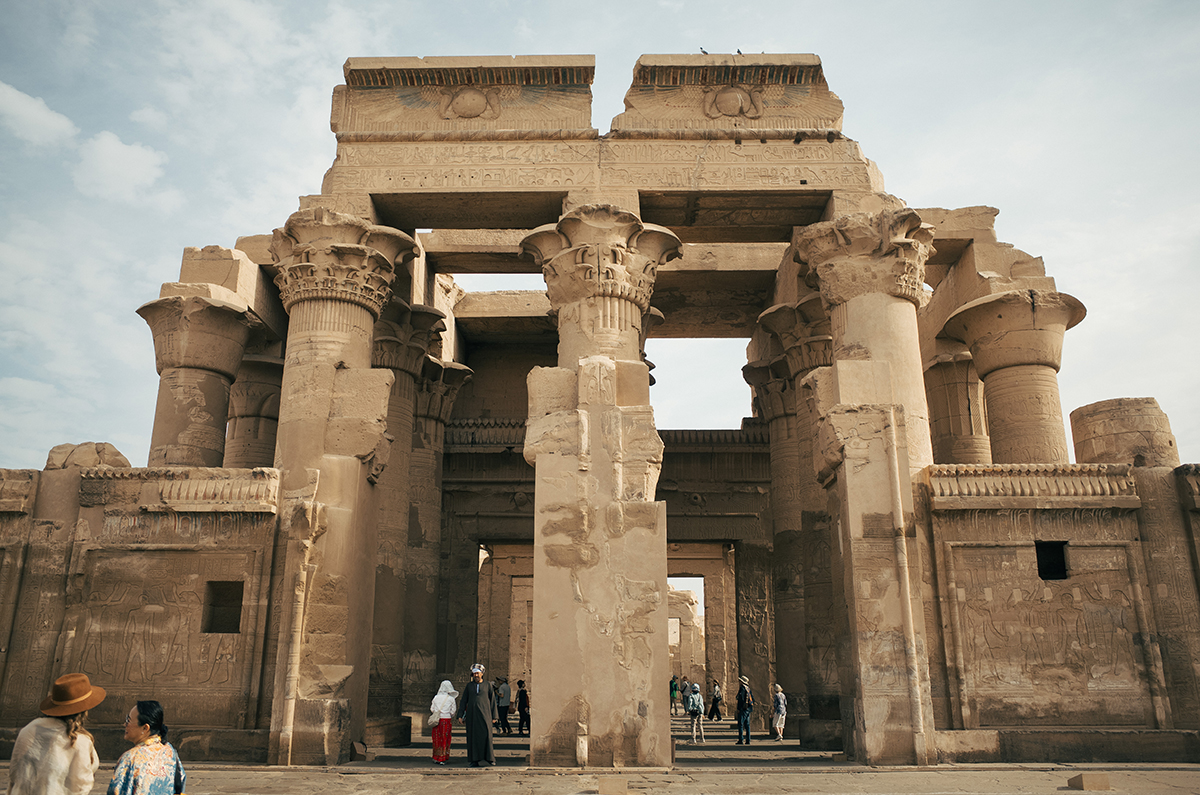
Kom Ombo Temple is one of Egypt’s most unusual ancient temples, distinguished by its unique double design. Located in the town of Kom Ombo in Aswan Governorate, Upper Egypt, the temple was constructed during the Ptolemaic dynasty between 180–47 BC, with some additions made during the Roman period. What makes this temple unique is its 'double' design, which means that there are courts, halls, sanctuaries, and rooms duplicated for two sets of gods. The southern half of the temple was dedicated to the crocodile god Sobek, the god of fertility and creator of the world with Hathor and Khonsu. Meanwhile, the northern part of the temple was dedicated to the falcon god Haroeris ("Horus the Elder"), along with Tasenetnofret (the Good Sister, a special form of Hathor or Tefnet / Tefnut) and Panebtawy (Lord of the Two Lands).
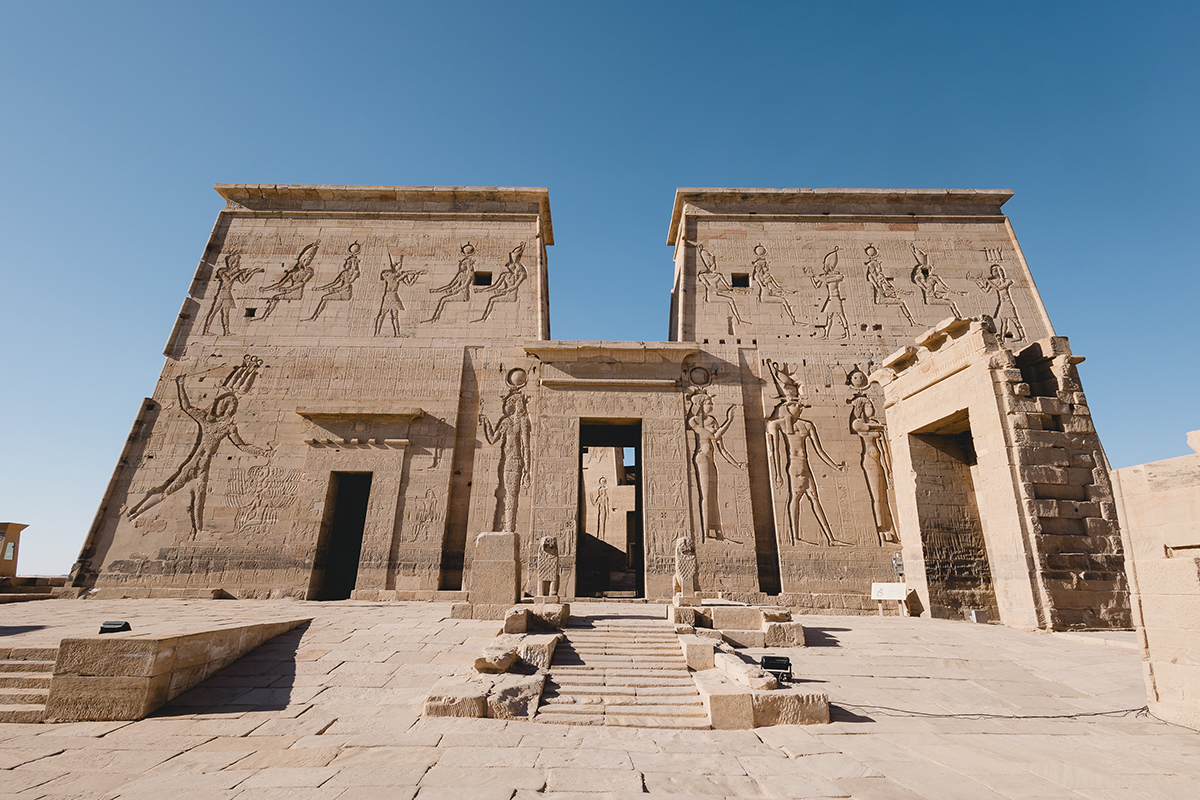
The Temple of Isis is a remarkable testament to ancient Egyptian religious traditions, particularly known for its mammisi, or birth room, which depicts the birth of Horus and Isis nursing her son in the marshes. The temple is also a stunning example of ancient Egyptian art and architecture, with intricate reliefs and carvings depicting the gods and goddesses. Despite the closure of many pagan temples under the Byzantine Emperor Justinian I (527–565 AD), the Temple of Isis remained active until his reign. Here, a priest of Isis named Esmet-Akhom carved the last known dated hieroglyphic inscription, dating to 394 AD. The temple was later converted into a Christian church, and many of its inscriptions were deliberately destroyed.
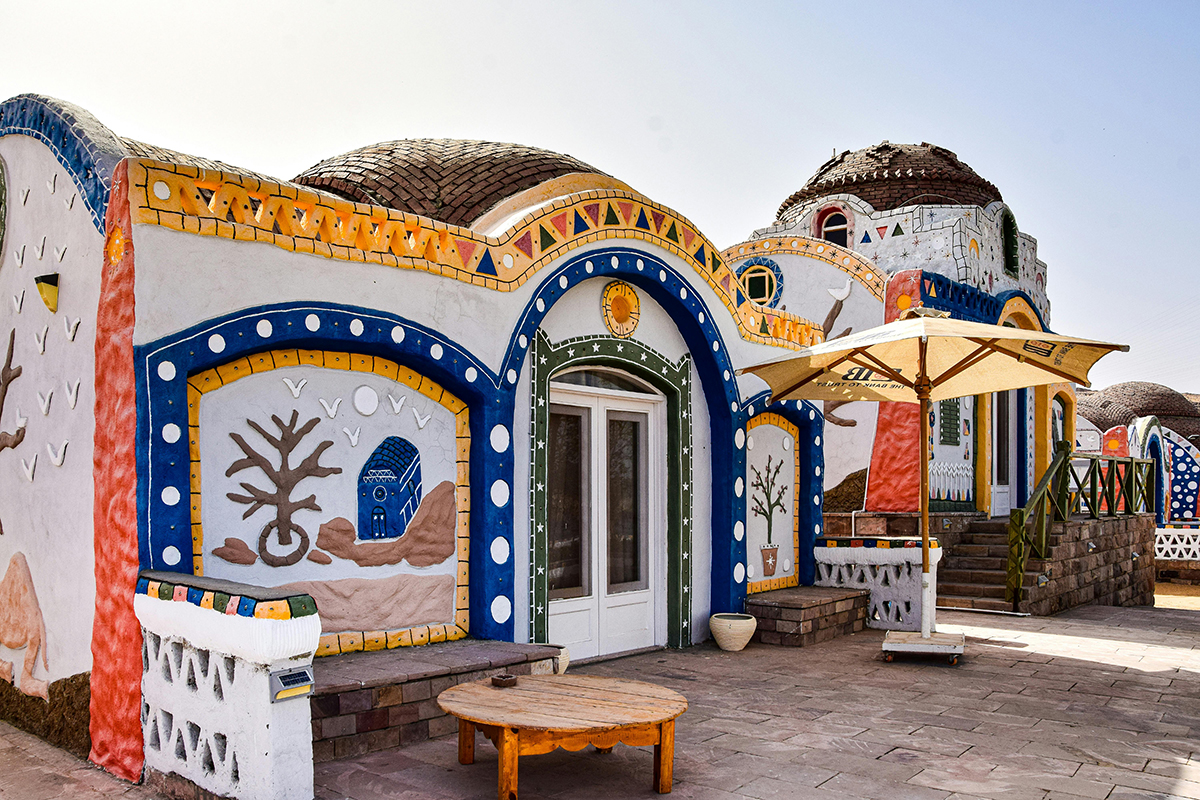
Experience the unique charm of the Nubian village, which has become a popular tourist destination in Aswan. The village offers a vivid and realistic picture of Nubian life, which differed from ancient Egyptian civilization in terms of way of life, clothing, food, and home design and decoration. The Nubians used local materials to build their homes, achieving total harmony with the environment and providing a healthy, refreshing, and self-conditioned atmosphere away from the heat that characterizes the country. Visitors to the Nubian village can immerse themselves in the local culture and enjoy spending time with the hospitable and welcoming Nubian people. Try on traditional Nubian clothing, taste the famous Nubian food, and admire the skilled craftsmanship of the local artisans and craftsmen. The Nubians are known for their commitment to hygiene, which is a way of life for them.
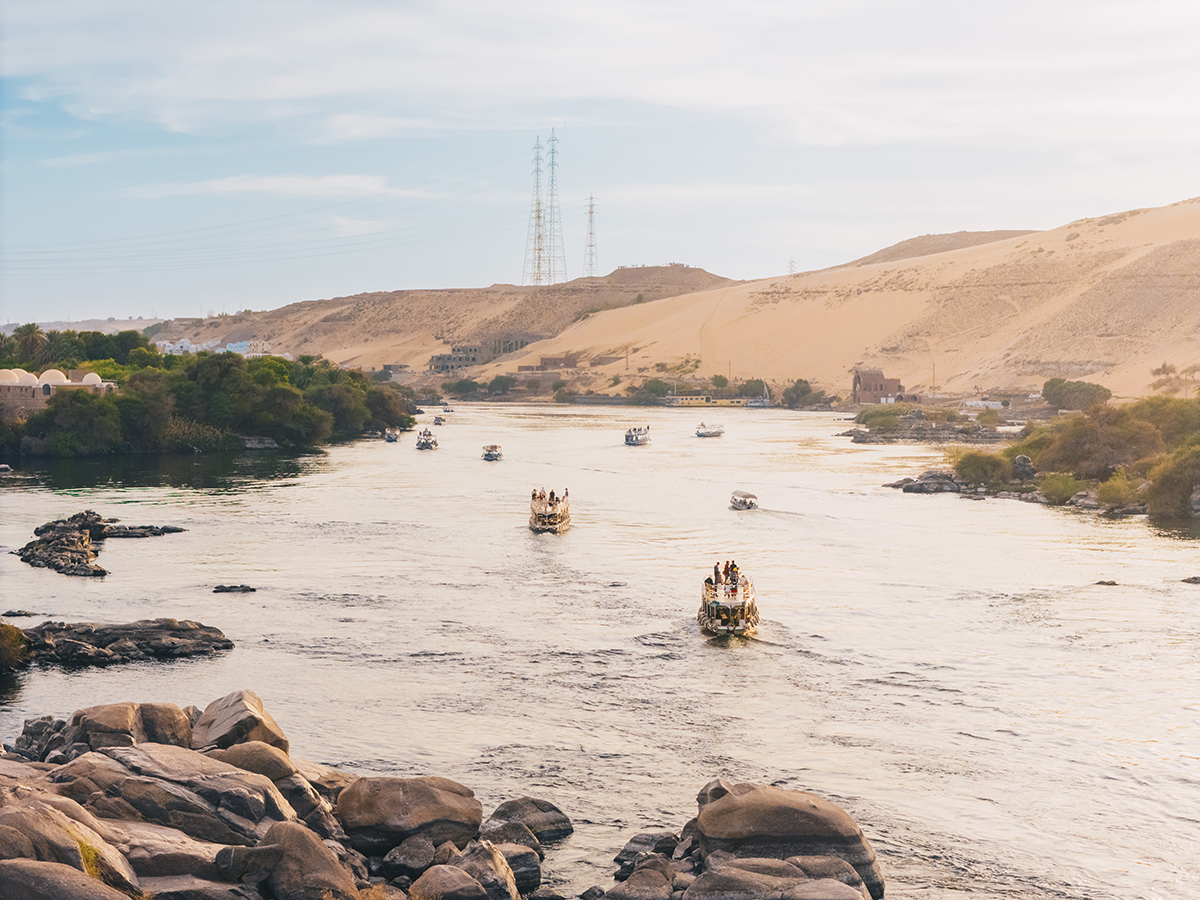
The Aswan Natural Reserve is a protected area in southern Egypt, established to conserve the region’s unique desert and riverine ecosystems. It is home to diverse flora and fauna, including migratory birds and native wildlife, and features striking landscapes along the Nile and surrounding desert. The reserve offers opportunities for eco-tourism, wildlife observation, and exploration of Egypt’s natural heritage.
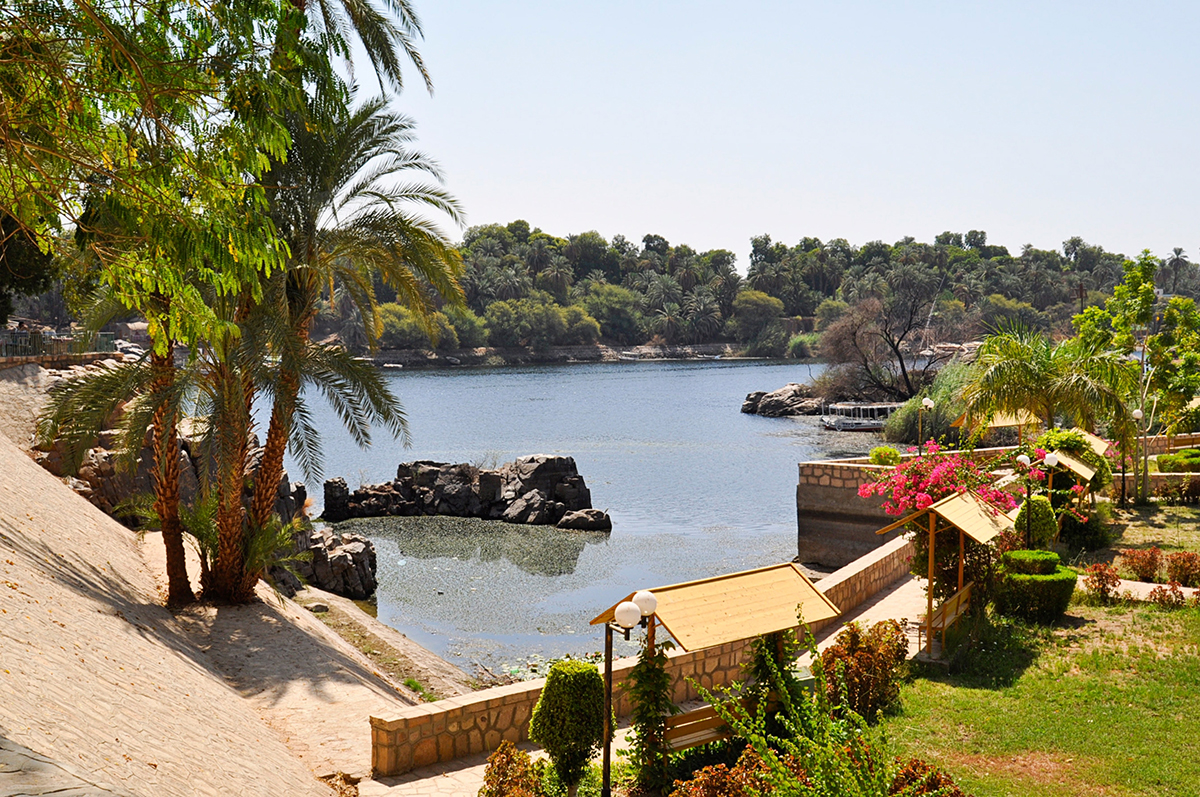
Botanical Garden offers a peaceful escape on Kitchener’s Island, surrounded by the Nile. Spread across the island’s lush grounds, the garden is home to an impressive collection of tropical and subtropical plants, trees, and exotic flowers gathered from around the world. Shaded pathways, vibrant greenery, and views of the Nile create a tranquil setting to explore, offering a refreshing contrast to Aswan’s ancient monuments and desert landscapes.