
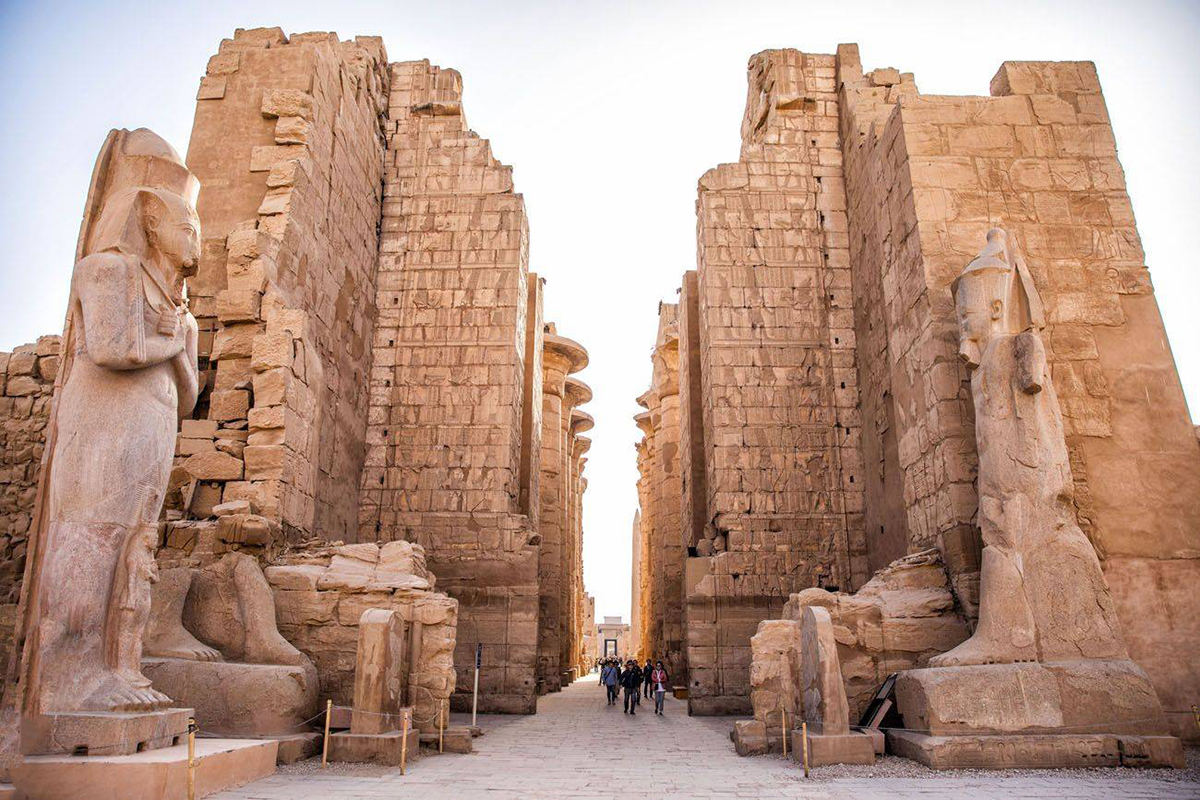
Karnak Temples, known to the ancient Egyptians as Ipet-Sut, or “The Most Select of Places,” was the most important temple complex in ancient Thebes. Located on the east bank of modern-day Luxor, it served as the center of the cult of Amun, one of ancient Egypt’s most powerful deities, and its immense wealth and influence made its priesthood a significant religious and political force. Built along an east-west axis that reflected the sun god’s journey across the sky, Karnak also features a north-south axis connecting it symbolically to Luxor Temple, the abode of Amenemopet, a form of Amun associated with southern Luxor. The two temples were linked by a processional avenue lined with sphinxes and played a central role in the annual Opet Festival, one of ancient Egypt’s most important celebrations.
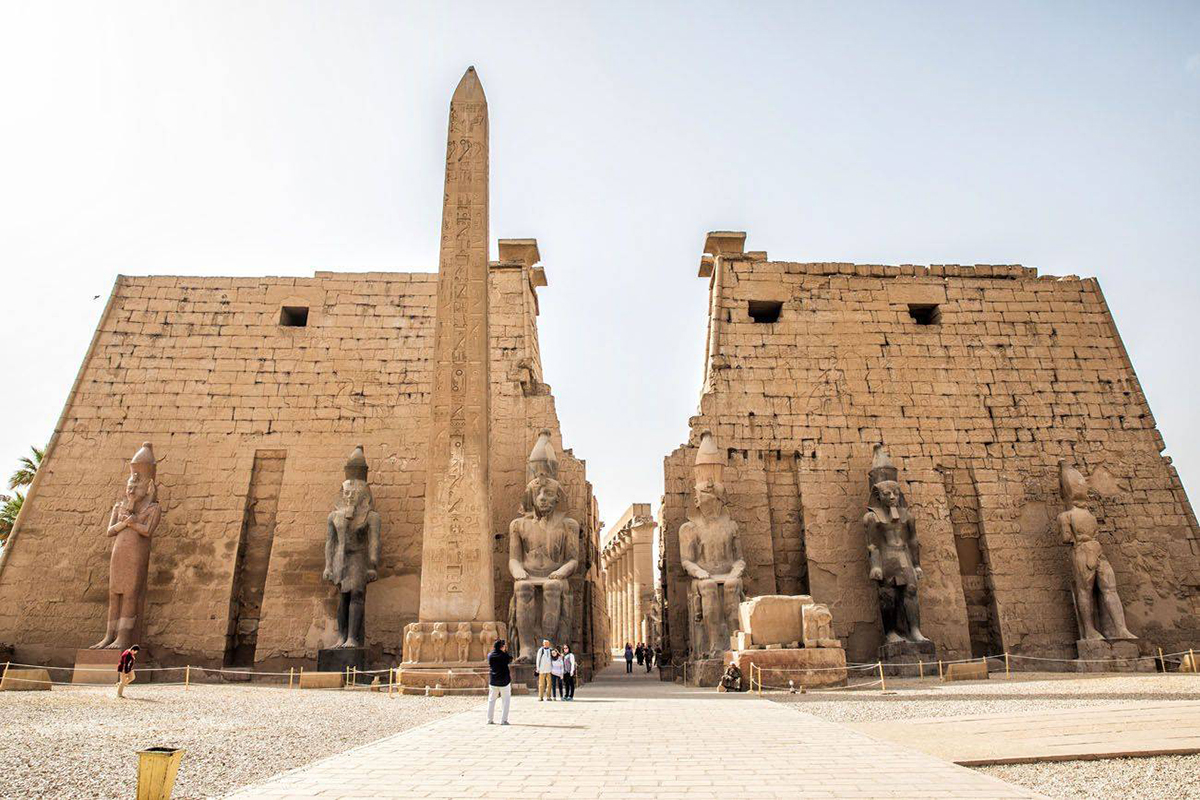
Standing as one of the most significant monuments of ancient Thebes, Luxor Temple, known to the ancient Egyptians as Ipet Resyt, or the “Southern Sanctuary,” offers a remarkable insight into the religious and architectural traditions of ancient Egypt. The temple is located within ancient Thebes (modern Luxor) and is situated around three kilometers to the south of Karnak Temple, to which it was once linked by a processional way bordered with sphinxes. The oldest evidence for the temple dates back to the Eighteenth Dynasty (c. 1550–1295 BC). The Luxor Temple complex includes several structures, including the main temple with its courtyards, halls, and shrines, as well as a barque shrine and smaller temples dedicated to various deities. Its design and decoration reflect the changing religious beliefs and political ideologies of ancient Egypt’s rulers, with contributions from pharaohs of different dynasties, including Amenhotep III, Tutankhamun, and Ramses II.
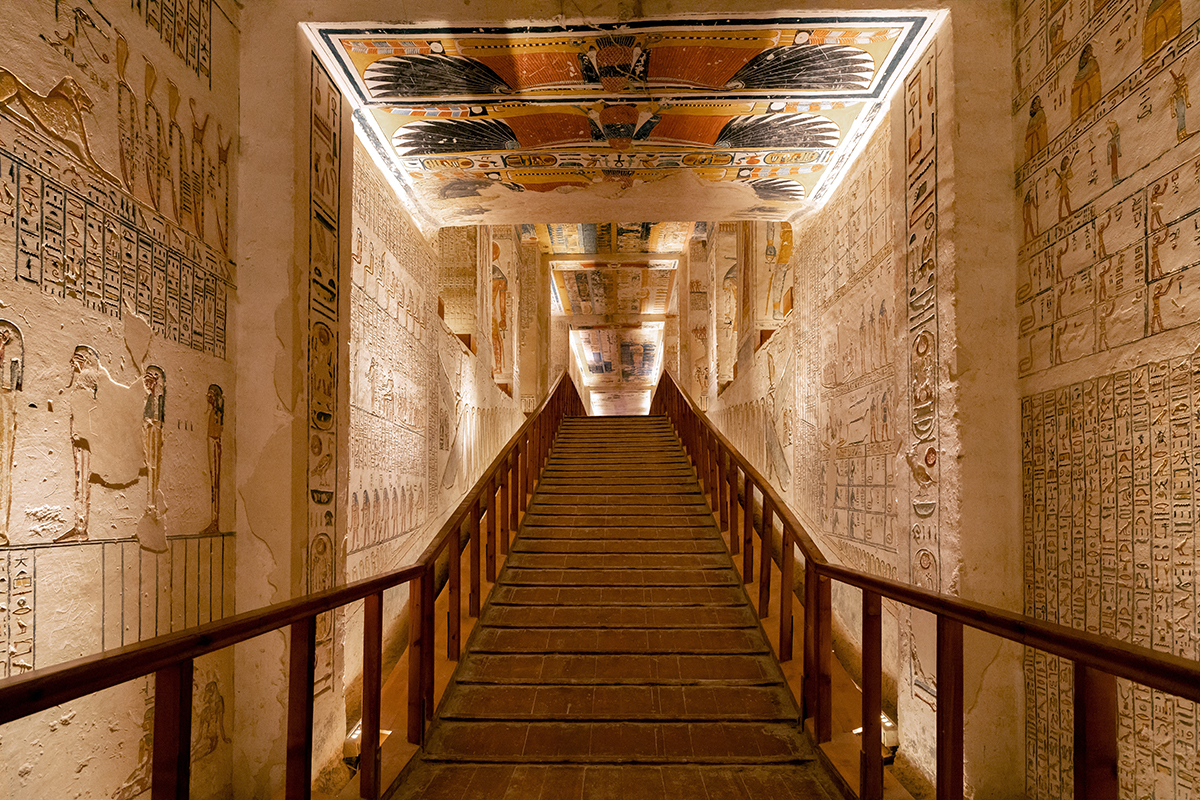
The Valley of the Kings stands as one of ancient Egypt’s most remarkable burial grounds, where rulers of the Eighteenth, Nineteenth, and Twentieth Dynasties of the prosperous New Kingdom (c. 1550–1069 BC) were laid to rest in a secluded valley across the Nile from ancient Thebes, modern-day Luxor. Despite its name, the valley also contains the tombs of royal family members and several high-ranking non-royal individuals. Divided into the East and West Valleys, the site contains more than sixty tombs alongside around twenty unfinished tombs, with the East Valley being the more renowned of the two.
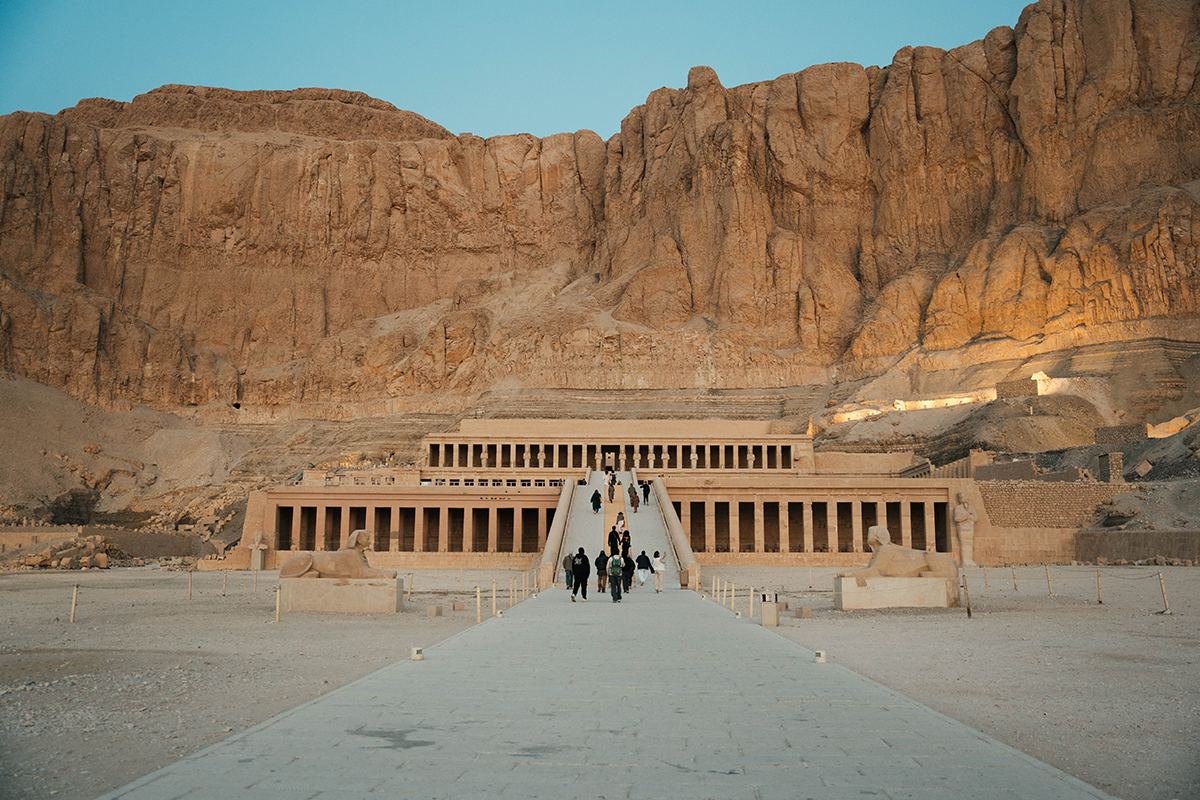
The temple of Hatshepsut served as a mortuary temple for the female pharaoh and her revered father, Thutmose I. Given its funerary nature, Hatshepsut's mortuary temple was built on the west bank of the Nile, directly across the river from the main temple of Amun in Karnak. The statues of this god, his wife Mut, and their son Khonsu left their temples every year during the Beautiful Feast of the Valley and crossed the Nile to visit the royal mortuary temples, including Hatshepsut's, which appears to have been one of their most important stops. The temple's design and decoration reflect the changing religious beliefs and political ideologies of ancient Egypt's rulers, with contributions from pharaohs of different dynasties, including Hatshepsut, Thutmose III, and Amenhotep III. The temple's unique design features a colonnade of 22 imposing pillars, each over 15 meters tall, and a series of impressive reliefs that depict the queen's achievements and connections with the gods.
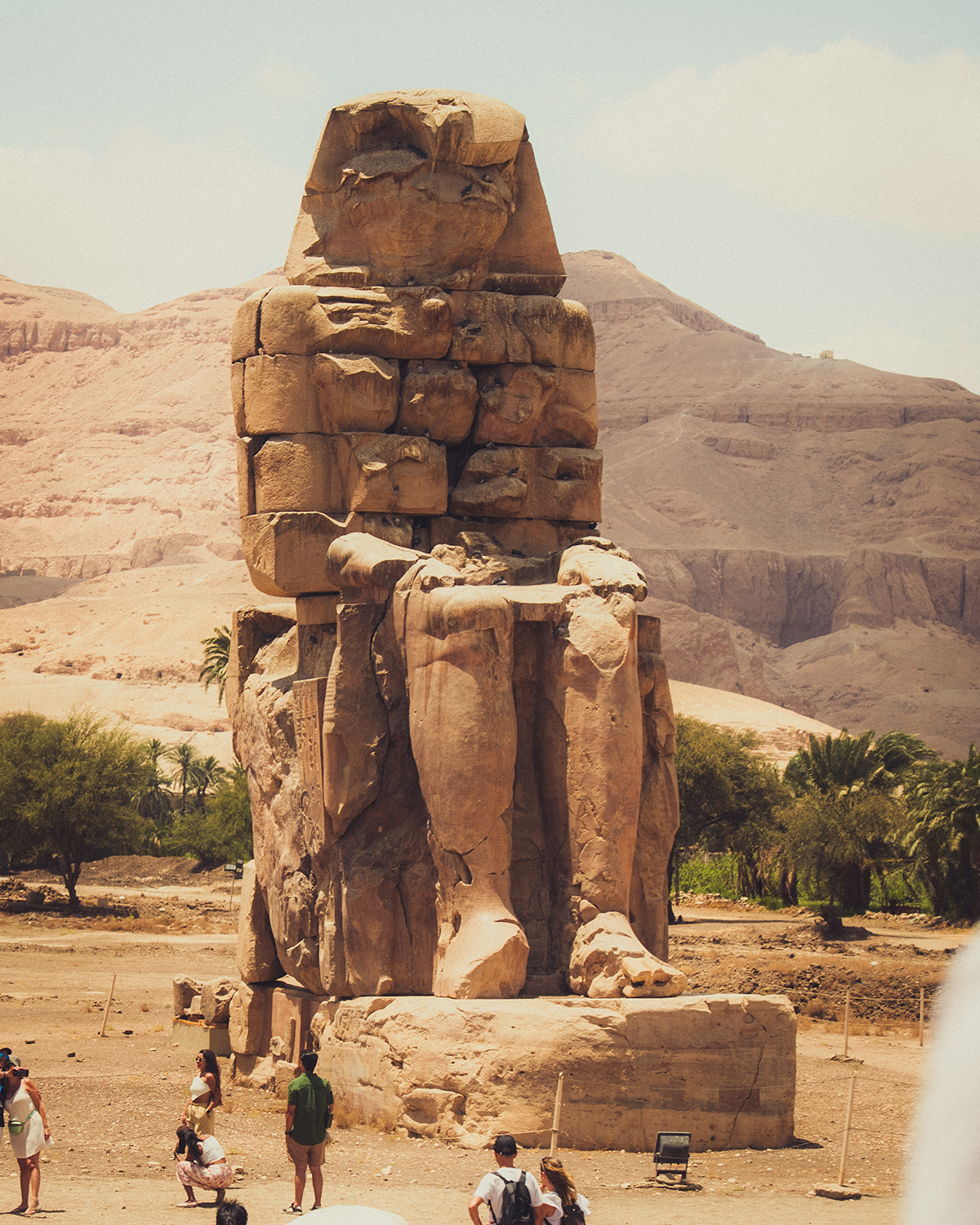
The twin statues depict Amenhotep III in a seated position, his hands resting on his knees, and his gaze facing eastwards towards the river. Two shorter figures are carved into the front throne alongside his legs: these are his wife Tiye and mother Mutemwiya. The side panels depict the Nile god Hapi. The Colossi of Memnon are a remarkable example of ancient Egyptian art and architecture, showcasing the skill and craftsmanship of the artisans who created them. They are also an important cultural and historical site, providing insight into the rich history and traditions of ancient Egypt's religious practices and the remarkable reign of Amenhotep III.
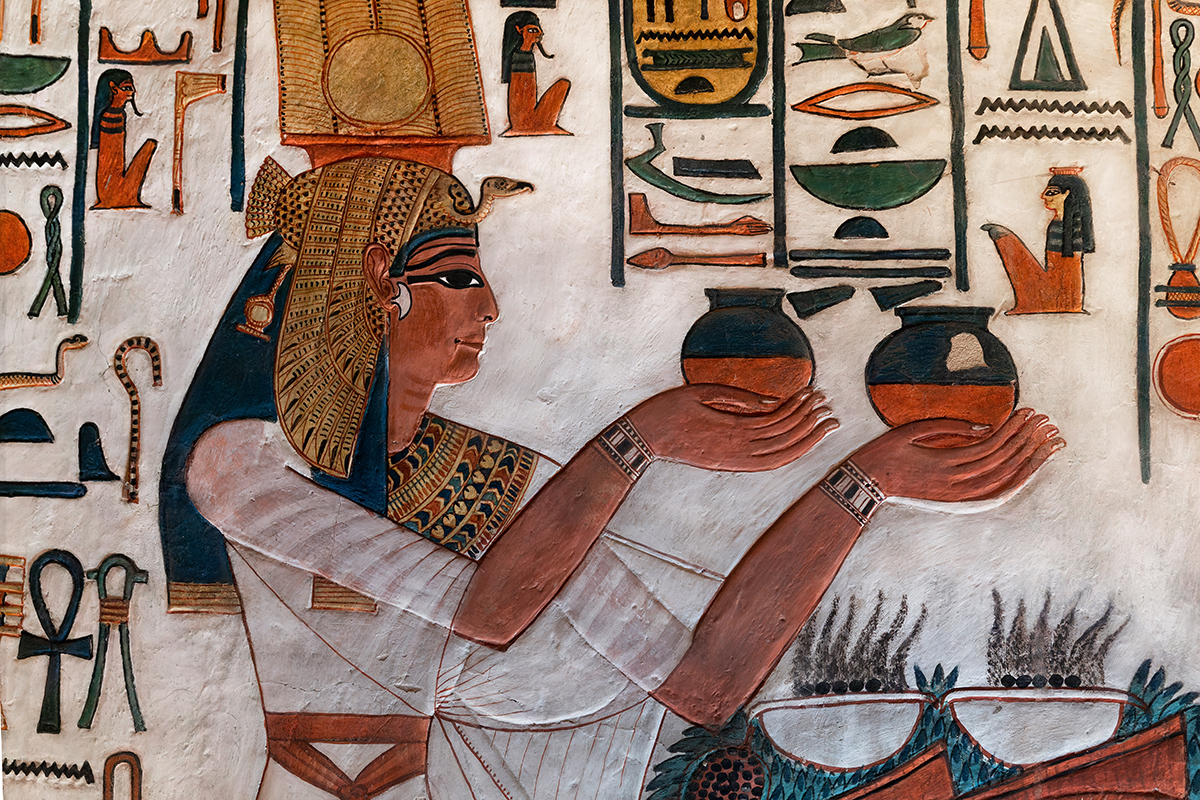
Set among the hills of Luxor’s western bank, the Valley of the Queens served as a royal necropolis for queens and royal children during Egypt’s New Kingdom. Also called the Valley of the Tombs of the Queens, it formed part of ancient Thebes and served as the burial site of the queens and some royal children of the 19th and 20th Dynasties (1292–1075 BC). The queens' necropolis is located about 1.5 miles (2.4 km) west of the mortuary temple of Ramses III (1187–56 BC) at Madīnat Habu. There are more than 90 known tombs, usually consisting of an entrance passage, a few short halls, and a sarcophagus chamber.
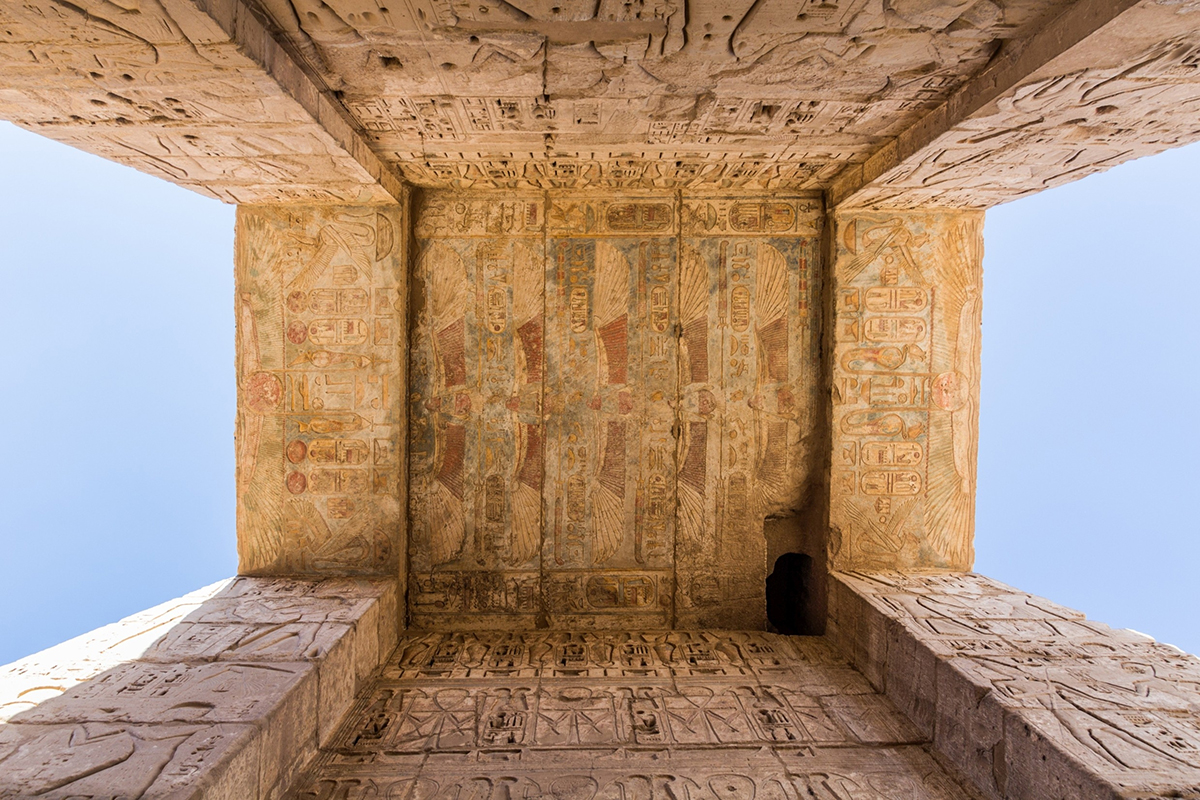
Learn about the history and cultural significance of Medinet Habu, the mortuary temple of Ramses III located on the west bank of Luxor. The name "Medinet Habu" is the Arabic name for the temple. The complex is made of sandstone and is the second largest in the area, after Karnak. It closely resembles the Ramesseum in structure and design. Ramses III, the second pharaoh of the twentieth dynasty, is considered the last great pharaoh of Egypt, and his mortuary temple is covered with reliefs depicting his conquests. His reign lasted from 1186 to 1155 BC. The memorial temple has 7,000 square meters of well-preserved decorated surfaces.
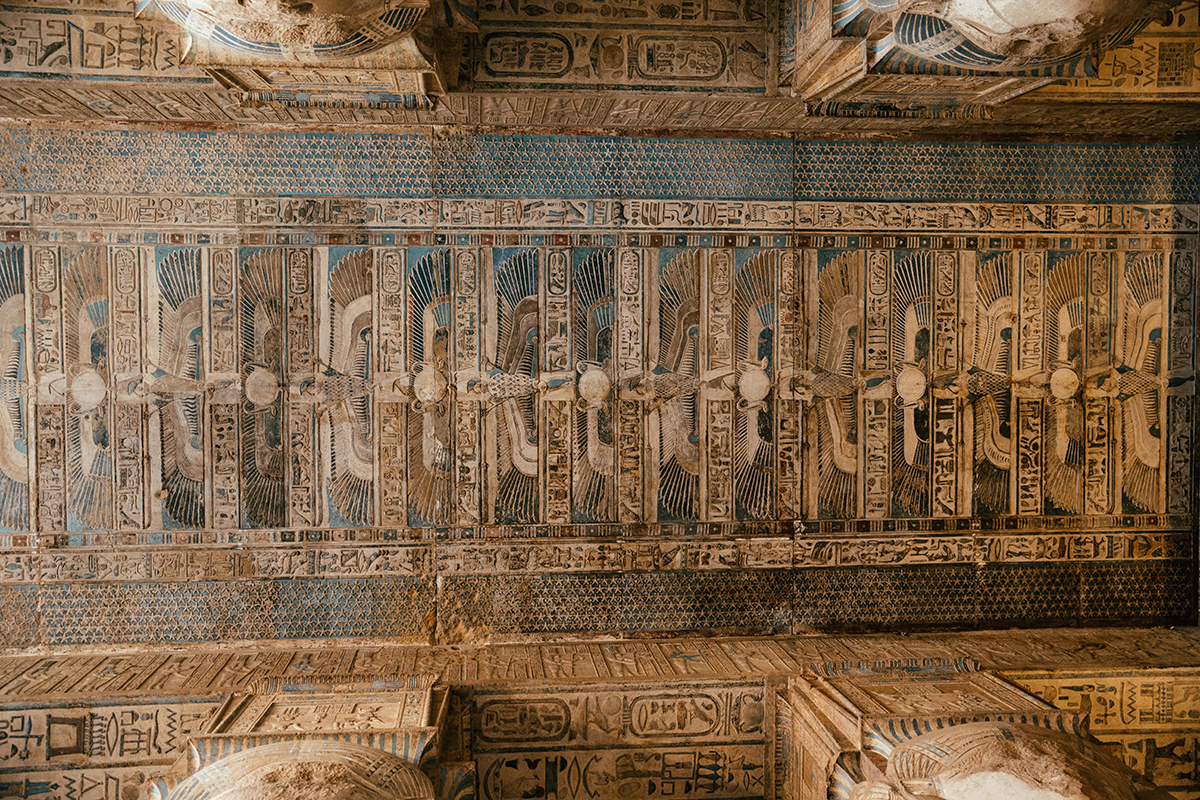
The Temple of Dendera offers a fascinating glimpse into ancient Egypt’s religious and astronomical traditions, which dates back to the Ptolemaic Period. Evidence suggests that older structures once existed on the site, dating as far back as King Pepy II from the Old Kingdom. One of the most notable features of the temple is its astronomical engravings on the ceiling, which visitors can discover and admire. The temple of Dendera is particularly renowned for its celebration of the Egyptian New Year. Visitors can experience the renewal and rejuvenation of the goddess Hathor, as a statue of the goddess is brought out on a shrine and placed on the roof of the temple to receive the sun's first rays.