
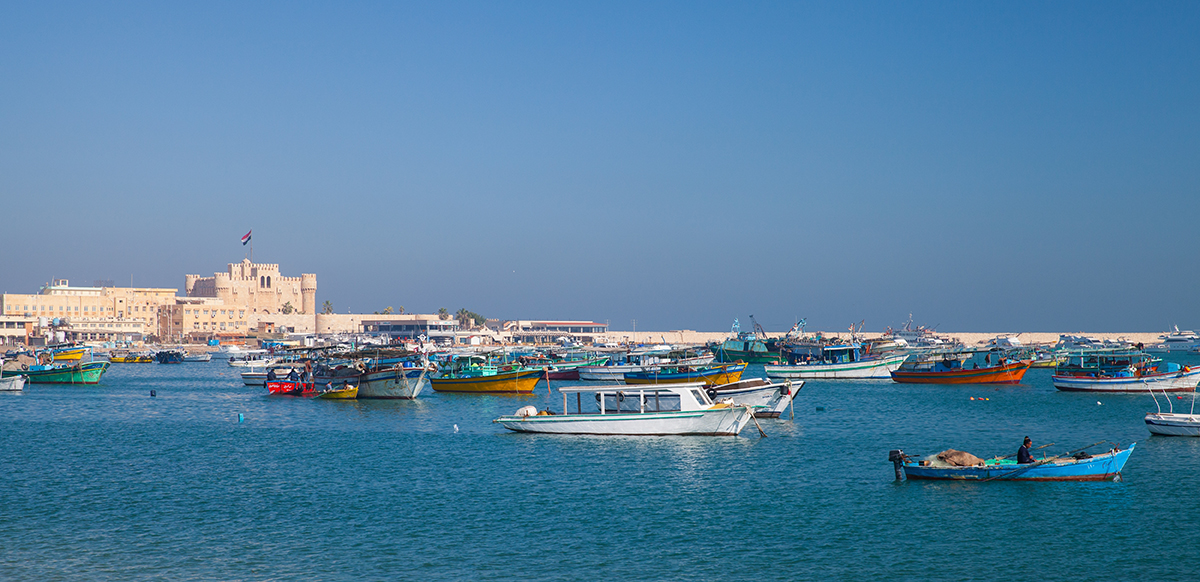
The ancient city of Alexandria is a fascinating destination for those seeking to discover the rich history and culture of Egypt. Founded by Alexander the Great in 331 BC, Alexandria became the seat of Ptolemaic rule and remained the largest and most important city in the eastern Mediterranean for centuries. Despite suffering major destruction and damage throughout its history, the monuments and structures of Alexandria have survived in the memory and writings of Greco-Roman travelers. Today, visitors can explore the ruins of the ancient city and experience the grandeur and beauty of the Greco-Roman civilization.
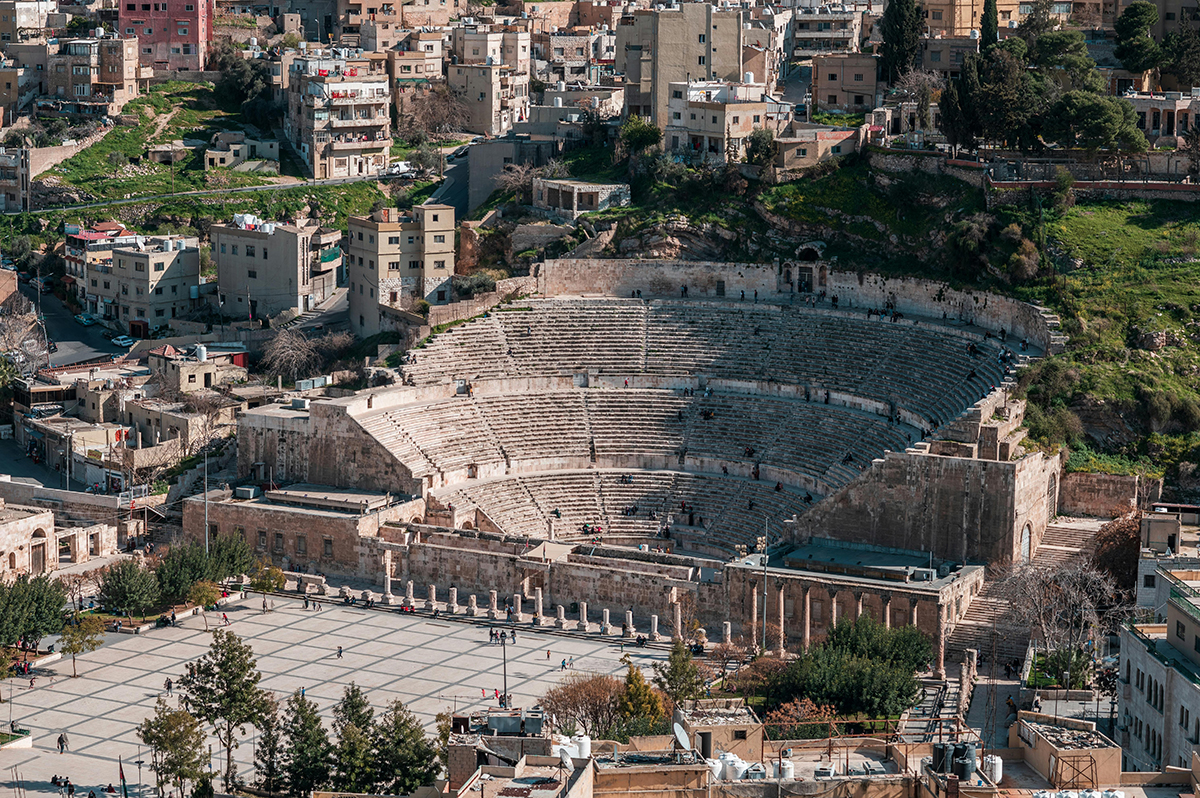
The Roman Amphitheatre is a destination that offers a unique experience to those interested in discovering the rich history and culture of Alexandria. Constructed in the 4th century AD, this ancient amphitheater was a common feature of the Greco-Roman period and served as a venue for music ceremonies and poet competitions during the Romans' reign in Egypt. Visitors can explore the symmetrical marble audience section of the amphitheater, which could hold up to 600 spectators. The audience section is a masterpiece of ancient engineering and design, with a diameter of about 33 meters and 13 rows made of European white marble. To fully explore the rich artistic and cultural heritage of the Roman Amphitheatre, visitors can marvel at the intricate design and decoration of this ancient amphitheater, including the portico made of granite columns that were brought from Aswan, some of which still stand today.
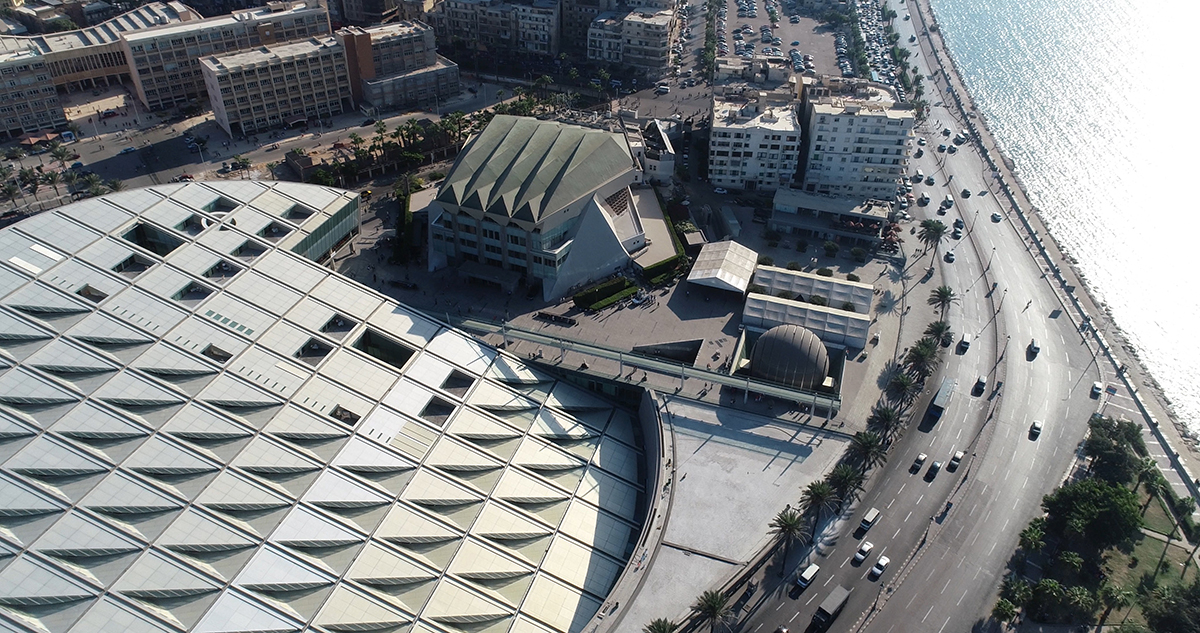
The New Library of Alexandria is a remarkable project that revives the legacy of the old Library of Alexandria, which was the largest library of its time. The modern library was built in partnership with the United Nations and is located close to the old library in El Shatby in the city. It was opened to the public on October 16, 2002, with an international presence. The library is home to a vast collection of books estimated at 2 million volumes in Arabic, English, and French, as well as a selection of books in other European languages such as German, Italian, Spanish, and other rare languages such as Creole, Haitian, and Zulu. The current collection includes sources donated from all over the world on various topics.
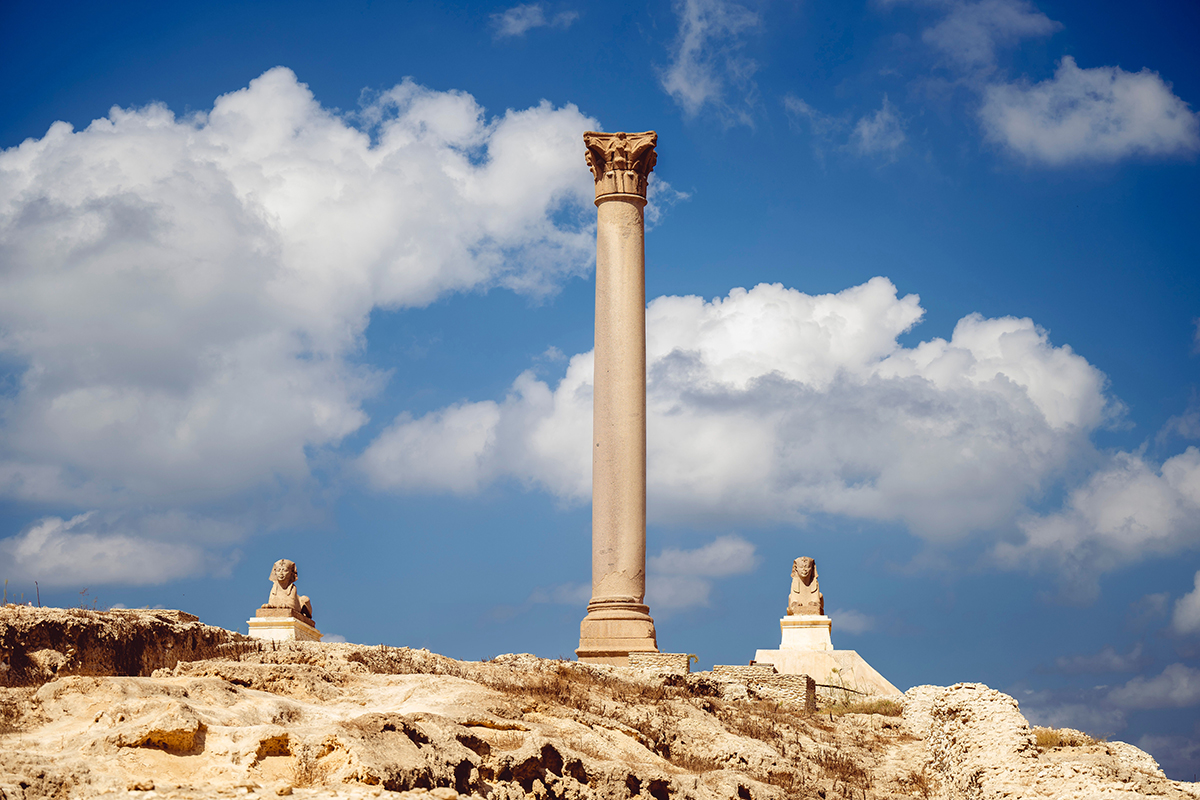
Pompey’s Pillar in Alexandria stands as a remarkable testament to Roman engineering, rising over 20 meters as the largest free-standing column of its kind outside Rome and Constantinople, carved from a single piece of red Aswan granite. Nearby, the Serapeum, built during the reign of Ptolemy III, was once one of the most magnificent temples in Alexandria, dedicated to Serapis; a deity blending Egyptian and Greek traditions. Together, these sites reflect the city’s rich cultural fusion and its significance in both the Roman and Ptolemaic eras.
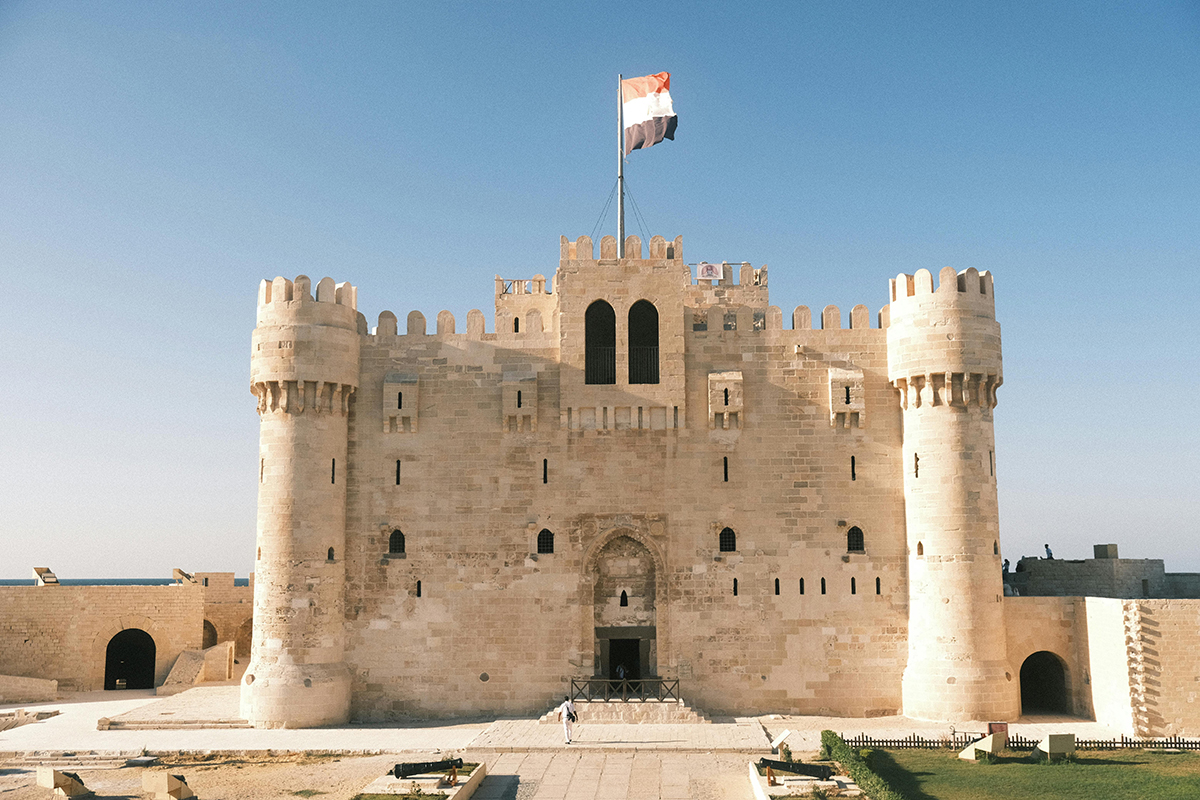
Qaitbay Fort Alexandria is a historic landmark that holds great significance as one of the most important defensive strongholds along the Mediterranean Sea coast. Built in the 15th century, this impressive fort is situated at the entrance of the eastern harbor on the eastern point of Pharos Island. What makes Qaitbay Fort Alexandria even more remarkable is that it was constructed on the exact site of the famous Lighthouse of Alexandria, which was one of the Seven Wonders of the Ancient World. The lighthouse continued to function until the time of the Arab conquest, despite several disasters that caused some damage to the structure. Restoration efforts began in the 9th century, but by the 14th century, a destructive earthquake had destroyed the entire building. It was Sultan Al Ashraf Qaitbay who fortified the place as part of his coastal defensive edifices against the Turks, who were threatening Egypt in 1480 AC.
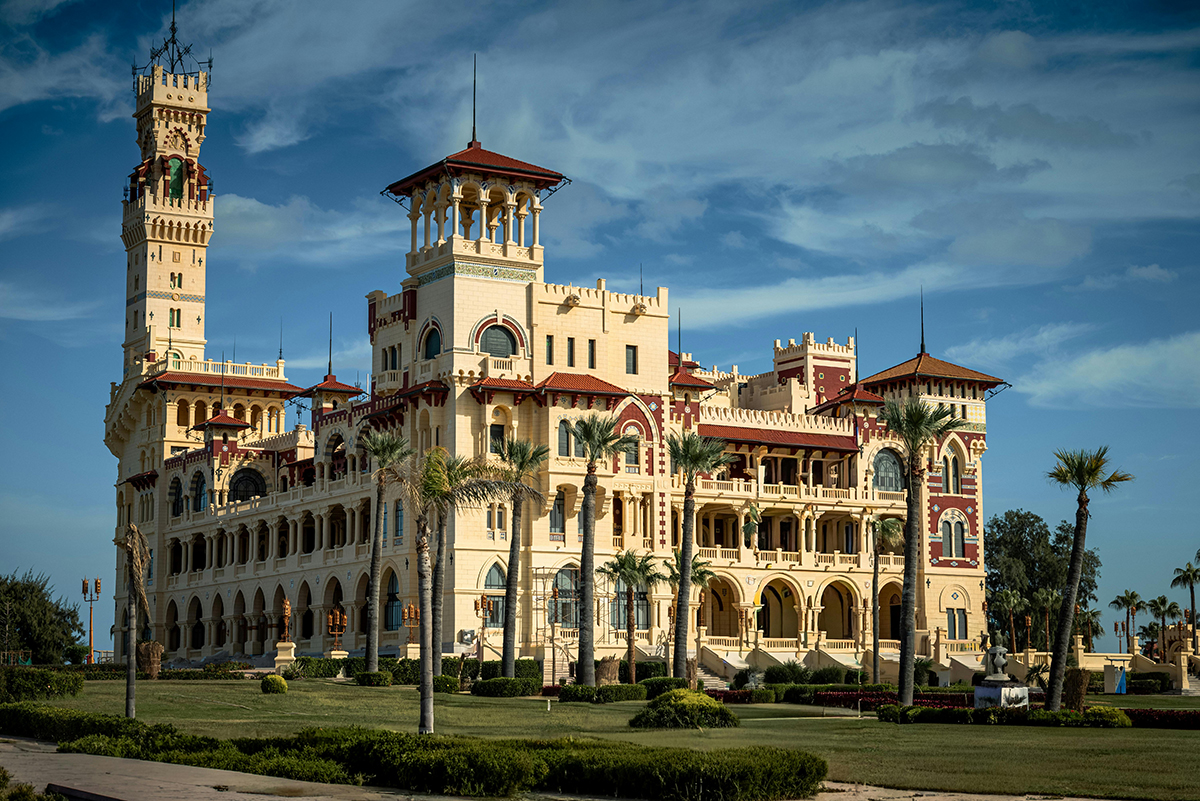
Montazah Palace is a magnificent royal palace located at the Eastern edge of the city of Alexandria on the north coast of Egypt. Built in 1892 by Khedive Abbas Hilmi II, it was one of the royal palaces in Egypt and is situated within a complex that spans around 360 acres and oversees the Al Montaza Gulf. After the death of Abbas Helmy II, the royal family continued to take care of the Montazah complex until the reign of the last king of Egypt, Farouk I. Following the Egyptian revolution of 1952, the palace was owned by the government, which opened the gardens to the public. The Salamlek Palace was transformed into a museum before being added to the presidential palaces, which serve as a hosting place for the president's visitors.
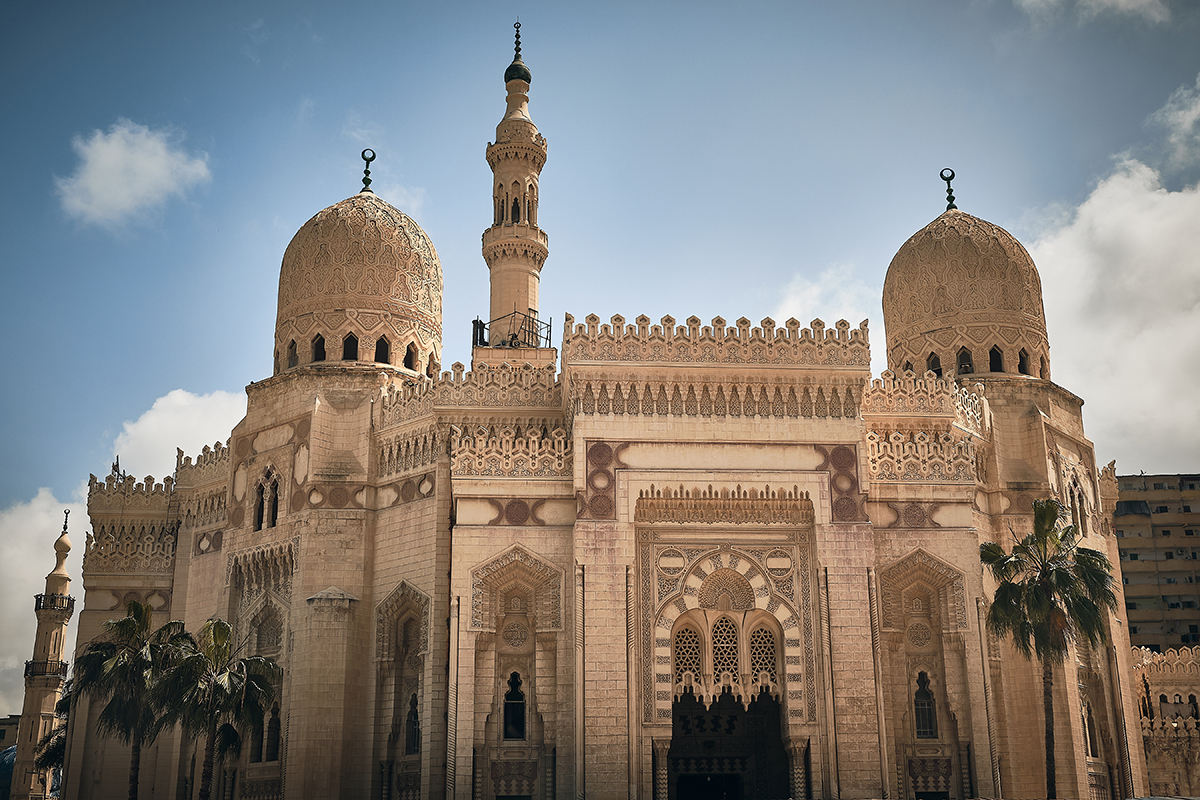
The Al Mursi Abu Al Abbas Mosque is an impressive architectural masterpiece that dates back to 1775 when the Algerian Sheikh Abu el Hassan El Maghreby built a much larger mosque on the site. The mosque was further renovated in 1863, and an annual festival was established to celebrate the birth of Al Mursi Abu Al Abbas. This mosque is the largest in Alexandria and is known for its cream-colored facade, four great domes, arabesque designs, and a high minaret. It's a beautiful sight to behold and is one of the most visited mosques on the White Med coast. Visitors to the mosque can explore the colonnade of elongated arches, the eight monolithic granite columns, and the beautiful marble floor.
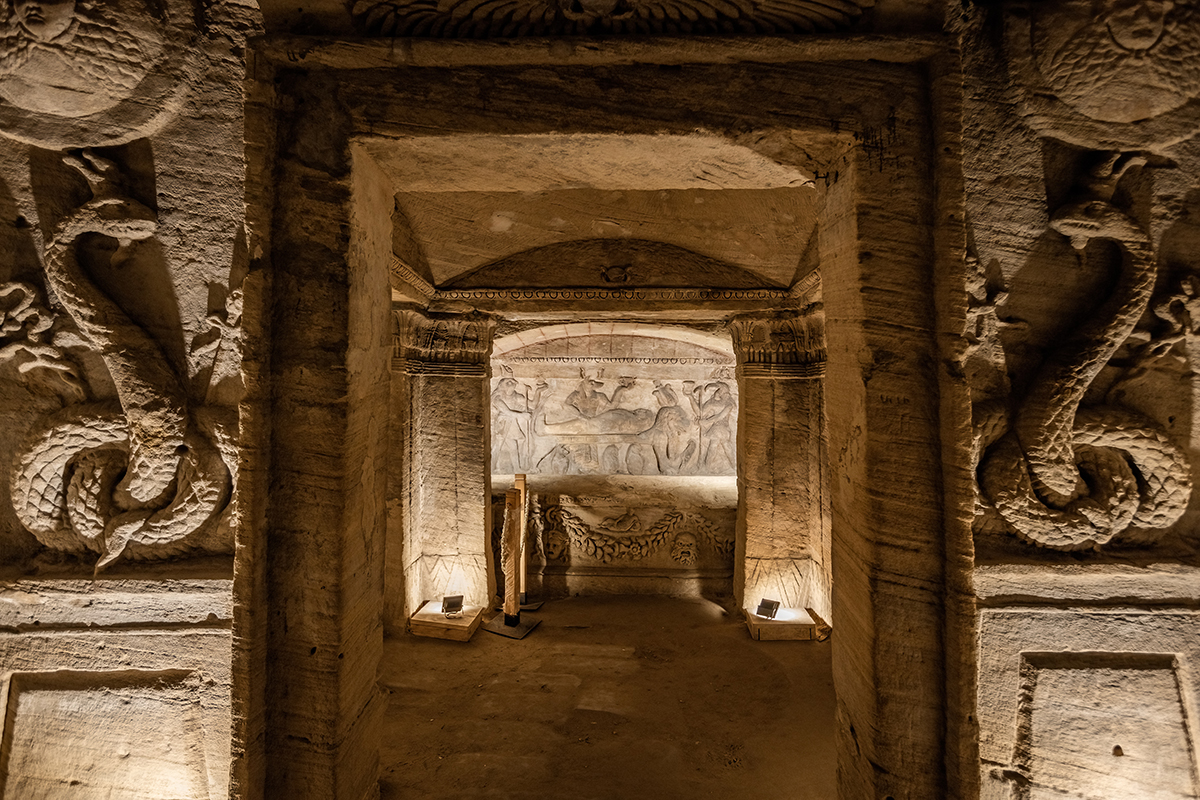
The Catacombs of Kom El Shoqafa are among Alexandria’s most remarkable underground sites, blending Egyptian, Greek, and Roman influences in both design and symbolism. Carved deep into the rock, this multi-level burial complex features intricately decorated chambers, spiral staircases, and sculpted reliefs that reflect the cultural fusion of the time.