
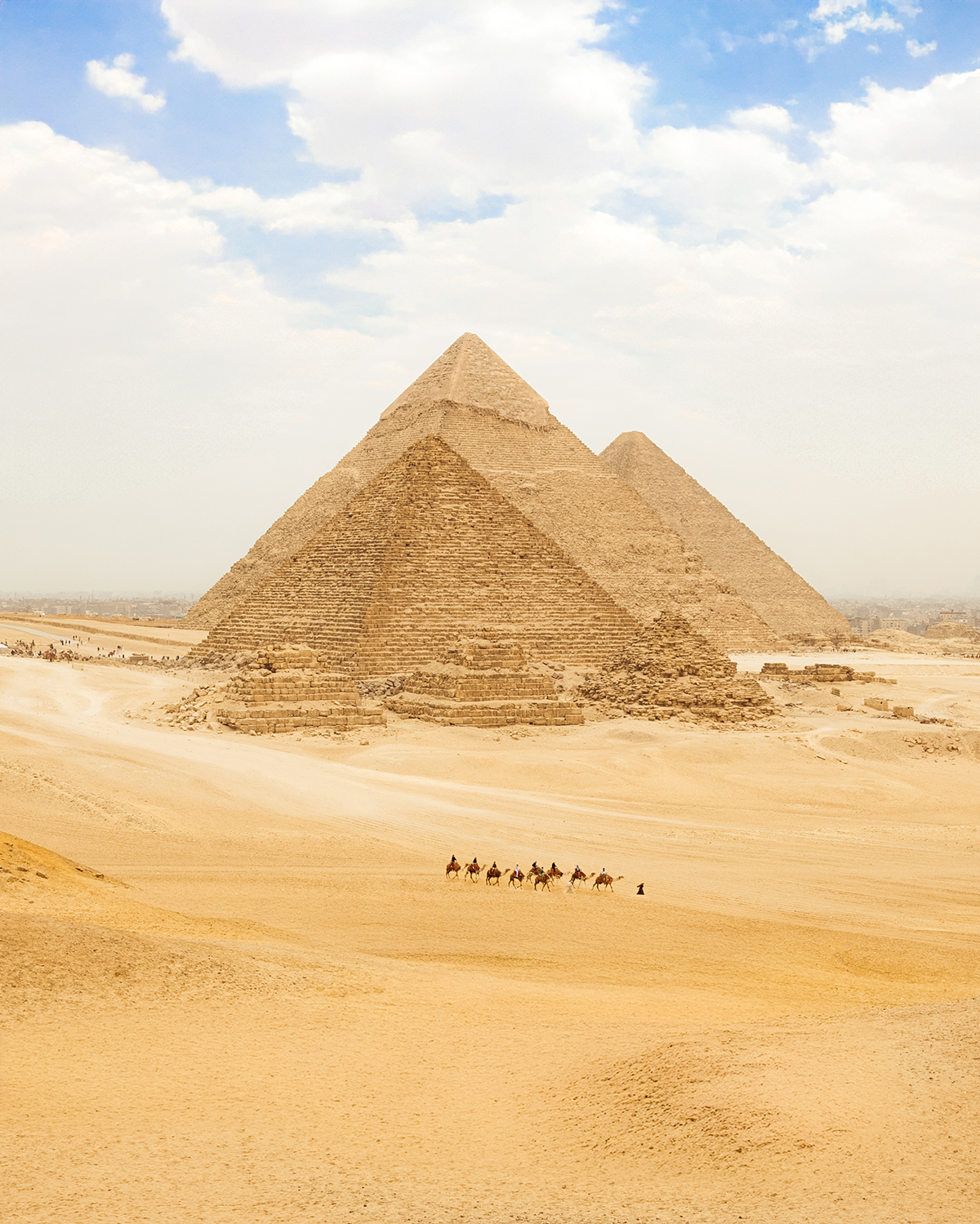
Experience the wonder of the Giza pyramid complex, also referred to as the Giza necropolis, situated on the Giza Plateau in Greater Cairo. This historical site comprises the Great Pyramid of Giza, Pyramid of Khafre, and Pyramid of Menkaure, along with their corresponding pyramid complexes and the iconic Great Sphinx of Giza. Built between 2600 and 2500 BC during the Fourth Dynasty of the Old Kingdom of Ancient Egypt, the Giza pyramid complex is a testament to the remarkable ingenuity and craftsmanship of the ancient Egyptians.
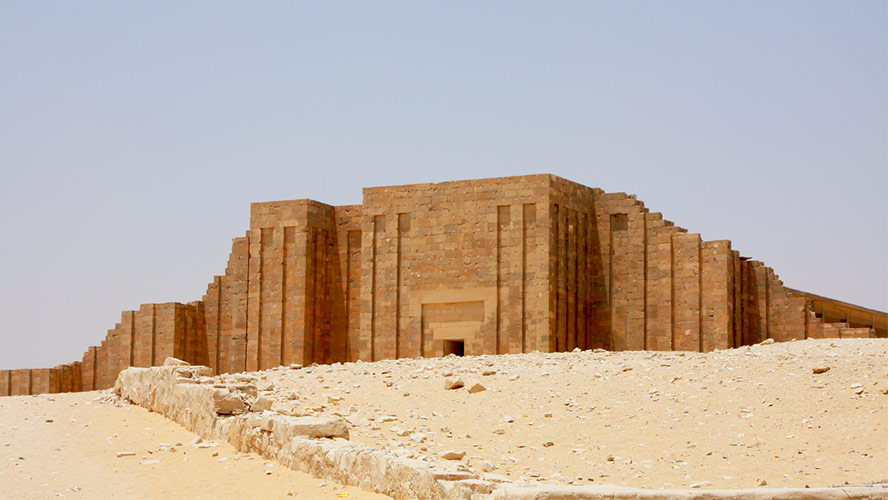
Sakkara is one of Egypt’s most significant archaeological sites, home to the Step Pyramid of Djoser; the first pyramid ever built and a major milestone in ancient architecture and royal burials. Beneath the site, the Serapeum reveals underground galleries that once housed the sacred Apis bulls in massive stone sarcophagi, reflecting ancient religious practices. The necropolis also includes the Tomb of Wahtye, known for its remarkably preserved reliefs and vivid scenes of daily life, offering insight into the culture and traditions of the Old Kingdom.
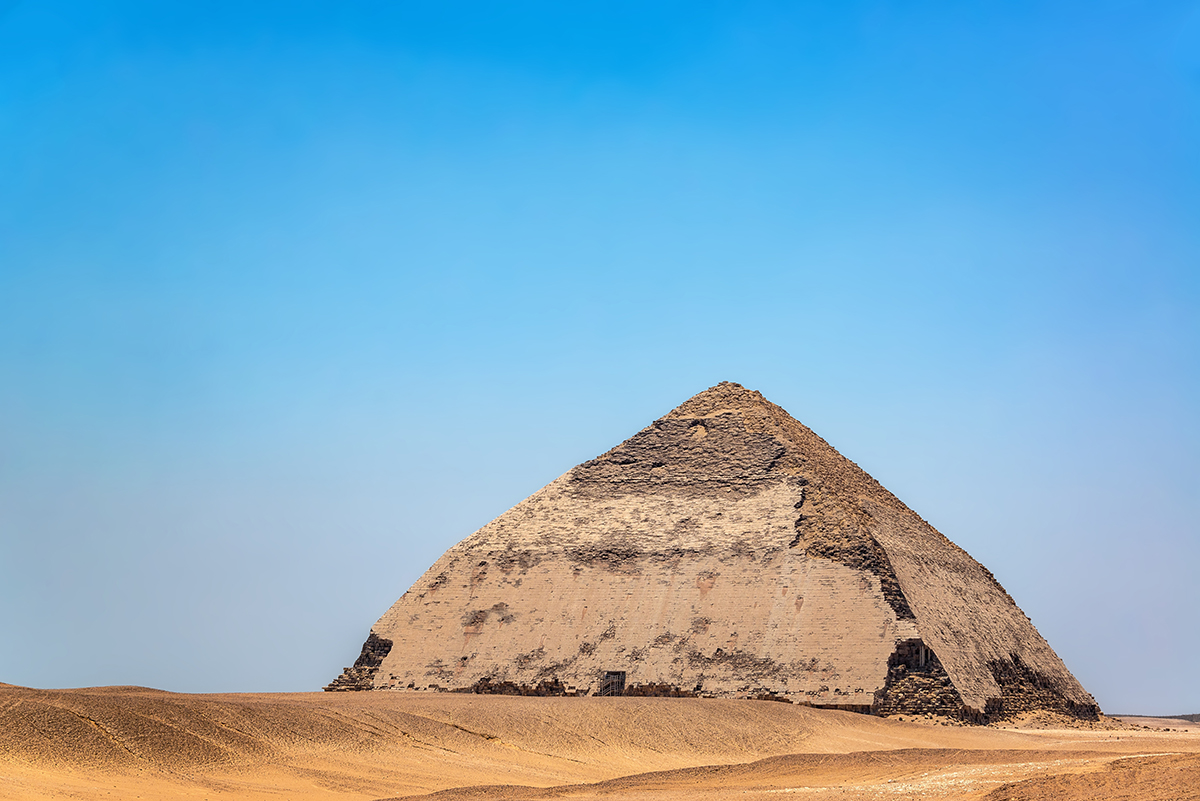
King Snefru selected the rocky plateau of Dahshur to establish his first pyramid, competing with the pyramid of King Djoser in Sakkara. However, he was unable to complete it, resulting in a broken shape. Despite this, he built another complete pyramid at a distance from it, known as the Red Pyramid. Nearby, the pyramids dating back to the Middle Kingdom, including the pyramid of King Amenemhat II, are in a deteriorating state. The pyramid of King Senwosret III is surrounded by the tombs of the princesses Sit-Hathor and Ment.
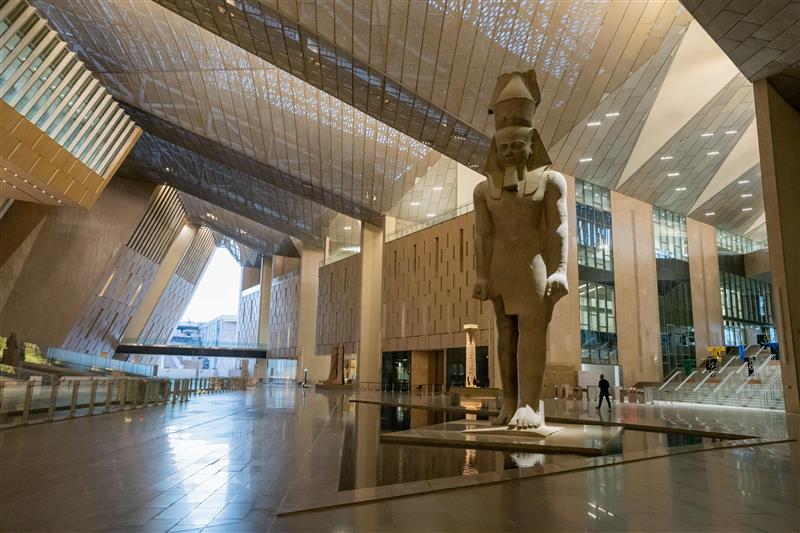
The Grand Egyptian Museum, located near Giza, is the world’s largest museum dedicated to a single civilization. It houses over 100,000 artifacts, including the complete collection of Tutankhamun. The museum features modern exhibition spaces and advanced display technologies, providing visitors with detailed insight into thousands of years of ancient Egyptian history. Its galleries include interactive displays and carefully curated collections that document the art, culture, and daily life of ancient Egypt.
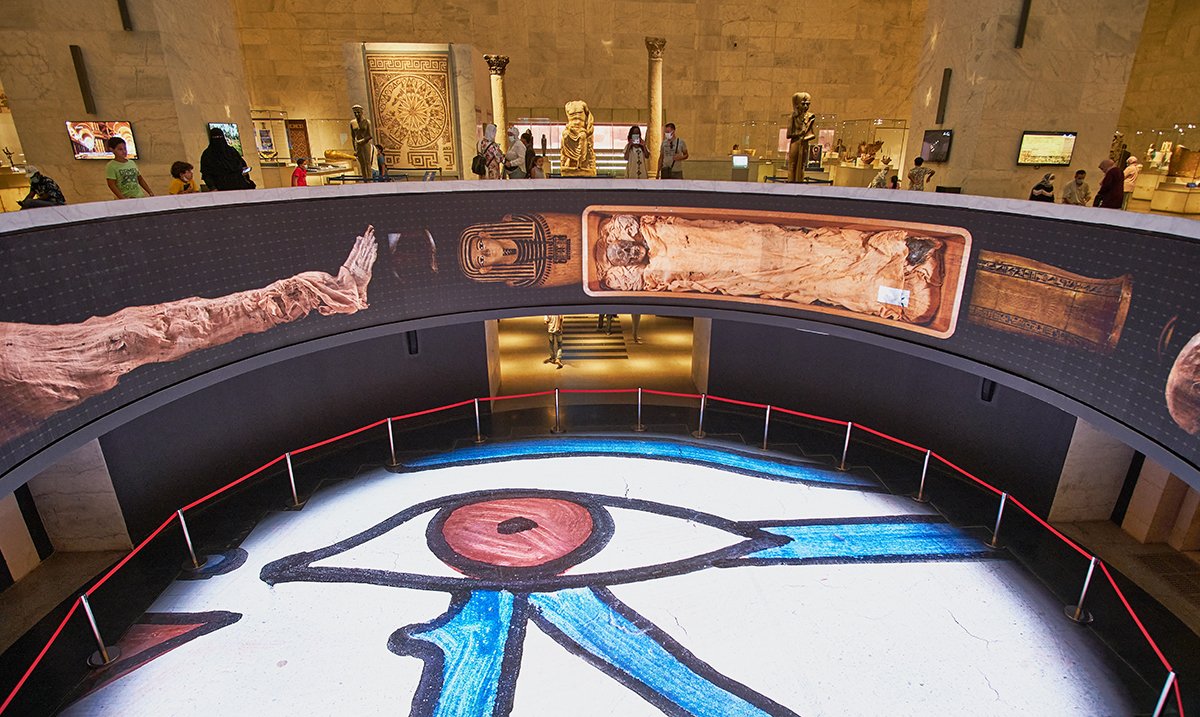
A landmark institution in Egypt and the Arab world, the National Museum of Egyptian Civilization was partially opened in February 2017 and houses a collection of 50,000 artifacts spanning the country’s history from prehistoric times to the present day. The museum is also home to 22 royal mummies, offering a remarkable insight into Egypt’s ancient royal heritage. It presents the richness and diversity of Egyptian civilization through its tangible and intangible heritage, highlighting the continuity and enduring legacy of Egyptian culture throughout the ages.
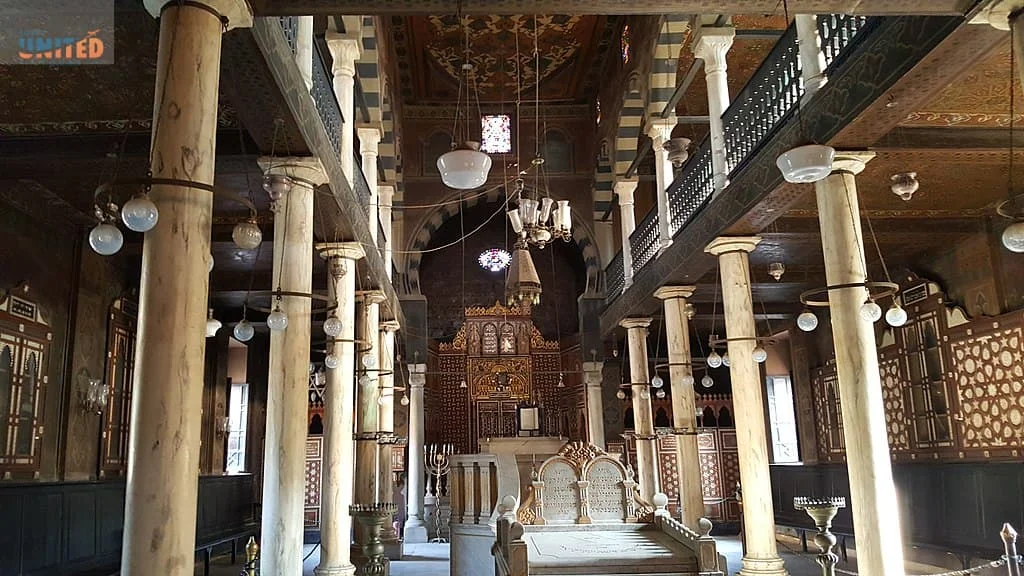
The synagogue is named after Abraham ibn 'Ezra, a renowned Jewish religious scholar and philosopher. Ben 'Ezra contains all the main features of a synagogue, including the bimah, or pulpit, from which prayers were read, located in its center. The hekhal, the most sacred feature of a synagogue and the direction of prayer, is decorated in Arabesque style and inlaid with mother of pearl, showcasing a unique blend of artistic traditions. The Ten Commandments are inscribed in Hebrew on the hekhal, adding to its historical significance.
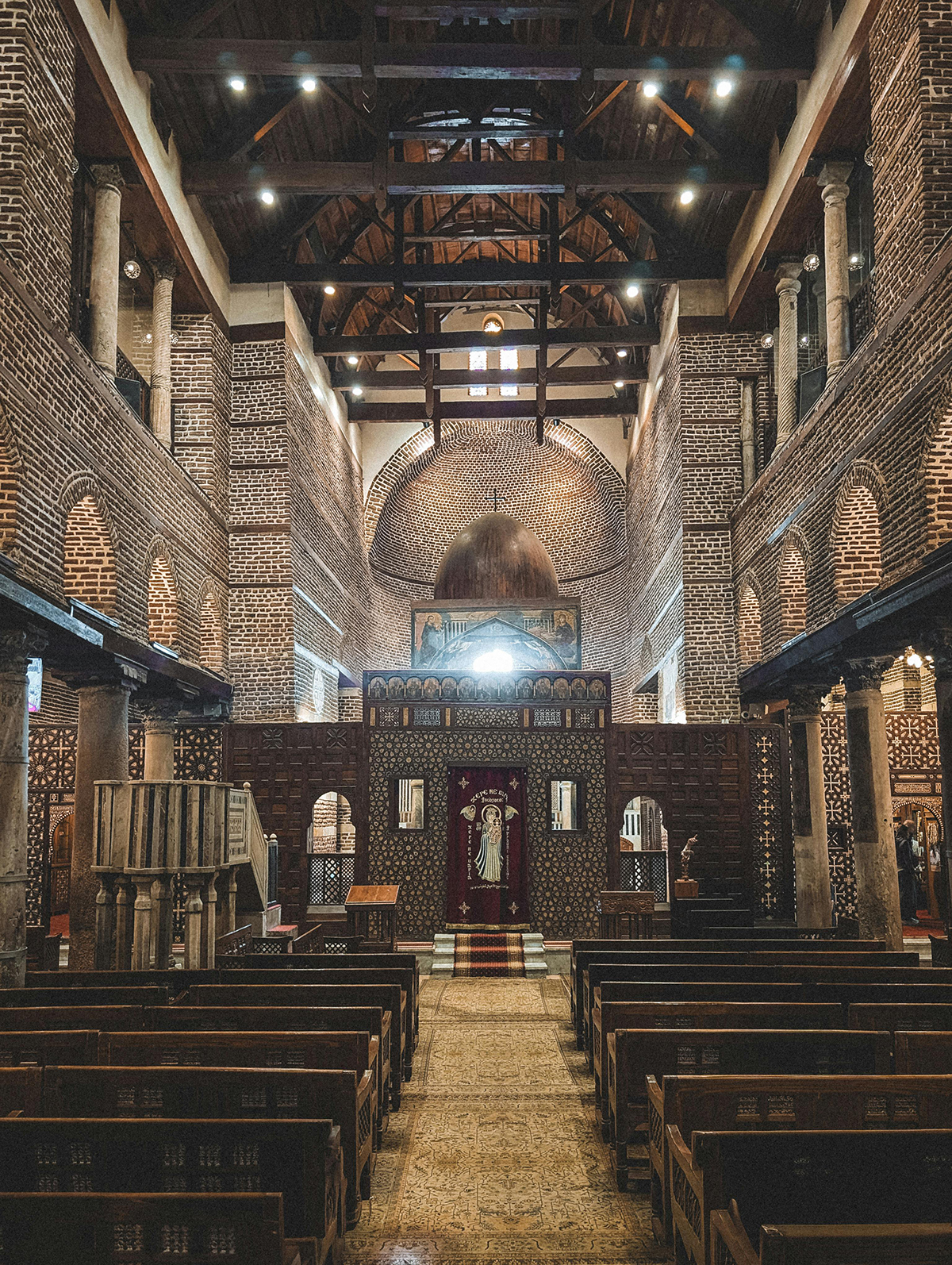
The Church of Saint Sergius and Bacchus holds a special religious significance among Coptic churches, as it is associated with the Holy Family's journey through Egypt. The church is named after two renowned saints, Sergius and Bacchus, both of whom were martyred at al-Resafa in Syria for their Christian beliefs in the early fourth century AD. Visitors to the Church of Saint Sergius and Bacchus can appreciate the unique architecture and design of the church, which combines elements of ancient Roman and early Christian styles. The church's interior is adorned with beautiful paintings and religious icons, adding to its historical and cultural significance.
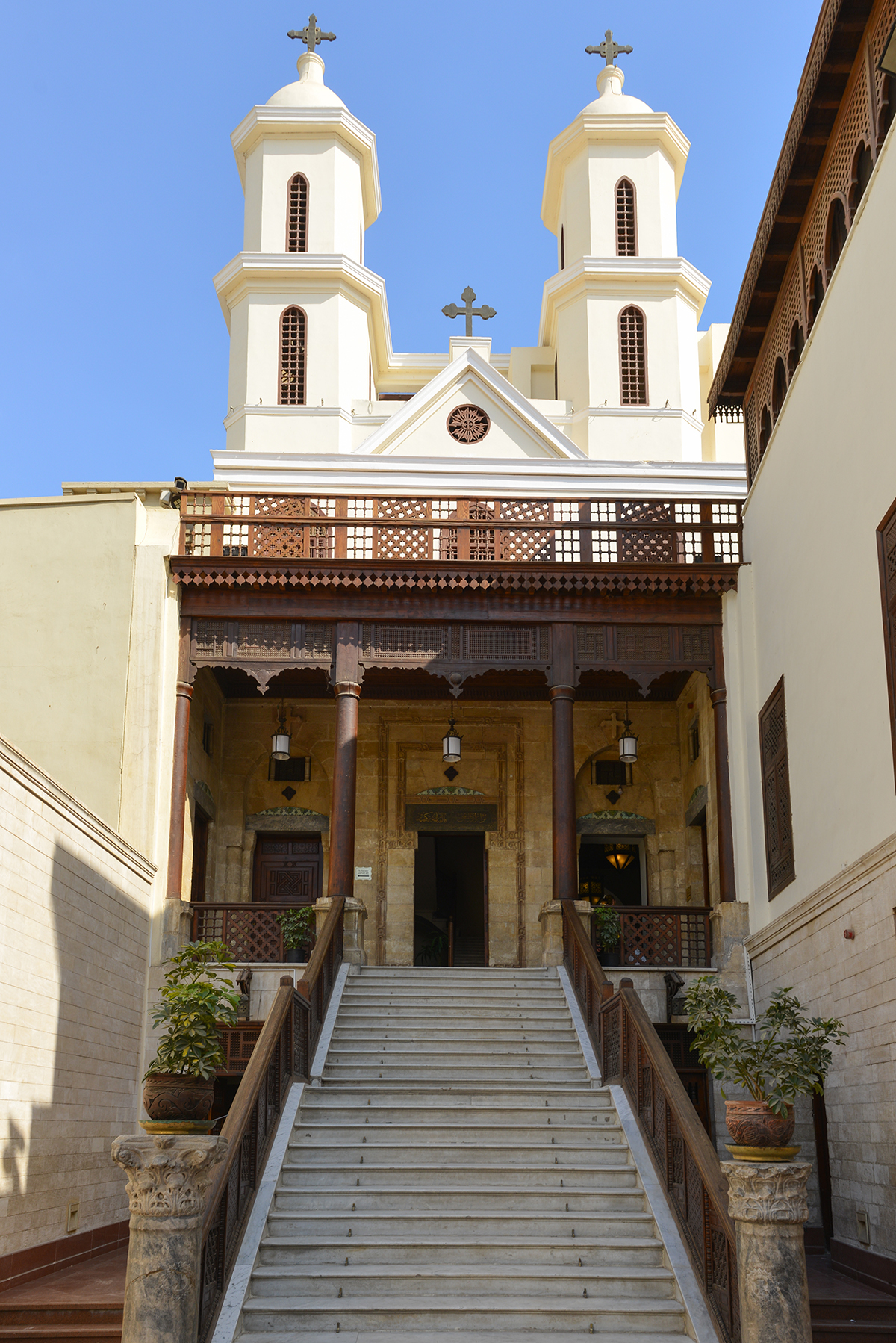
The Hanging Church is a remarkable structure, featuring a wooden roof in the shape of Noah's ark. From the 7th century to the 13th century, the Hanging Church served as the residence of the Coptic Patriarch, making it an important religious and cultural site. Al-Moallaqa has witnessed many important elections and religious ceremonies throughout its long history. Visitors to the Hanging Church can appreciate the unique architecture and design of the church, which combines elements of ancient Roman, Coptic, and Islamic styles. The church's interior is adorned with beautiful paintings and religious icons, adding to its historical and cultural significance.
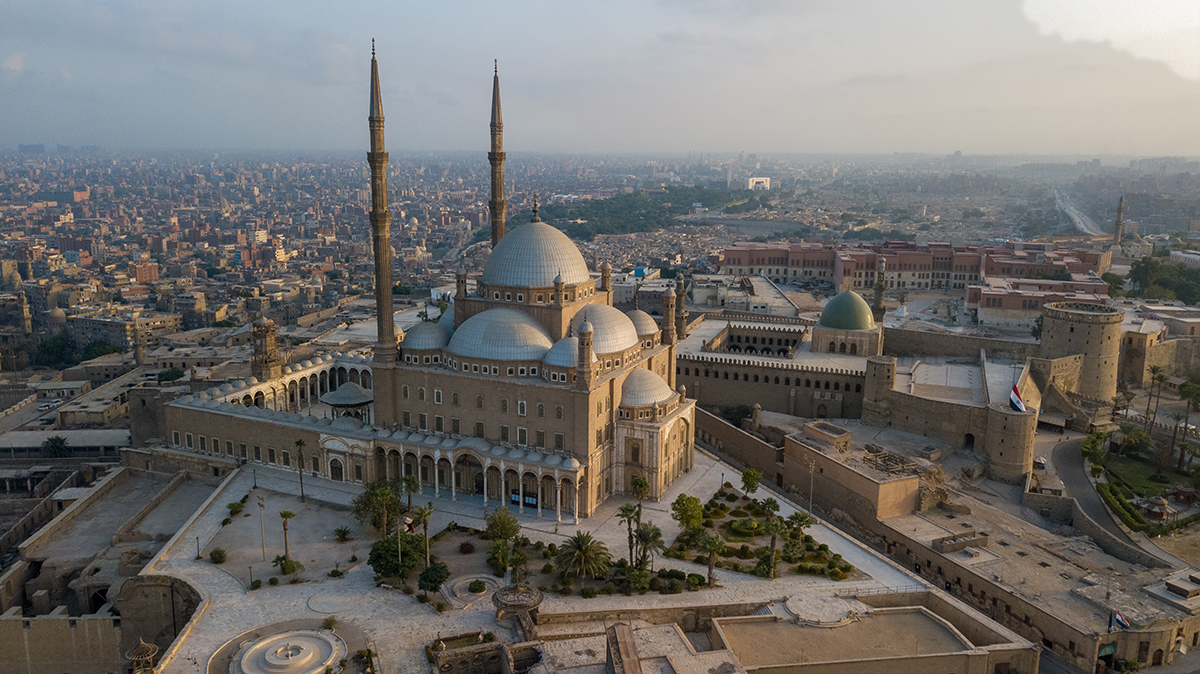
Located inside the Citadel of Salah al-Din al-Ayyubi is the Mosque of Muhammad Ali, built by Muhammad Ali Pasha between 1805 and 1848 AD. The mosque was constructed on the site of Mamluk palaces, which were demolished to make room for the new building. Known as the "Alabaster Mosque," the mosque's interior and exterior walls are decorated with marble paneling, adding to its impressive beauty. The twin minarets of Muhammad Ali's Mosque are the highest in all of Egypt, each reaching a height of 84 meters. Visitors to this remarkable mosque can appreciate its unique architecture and design, which combines elements of Ottoman and Islamic styles.
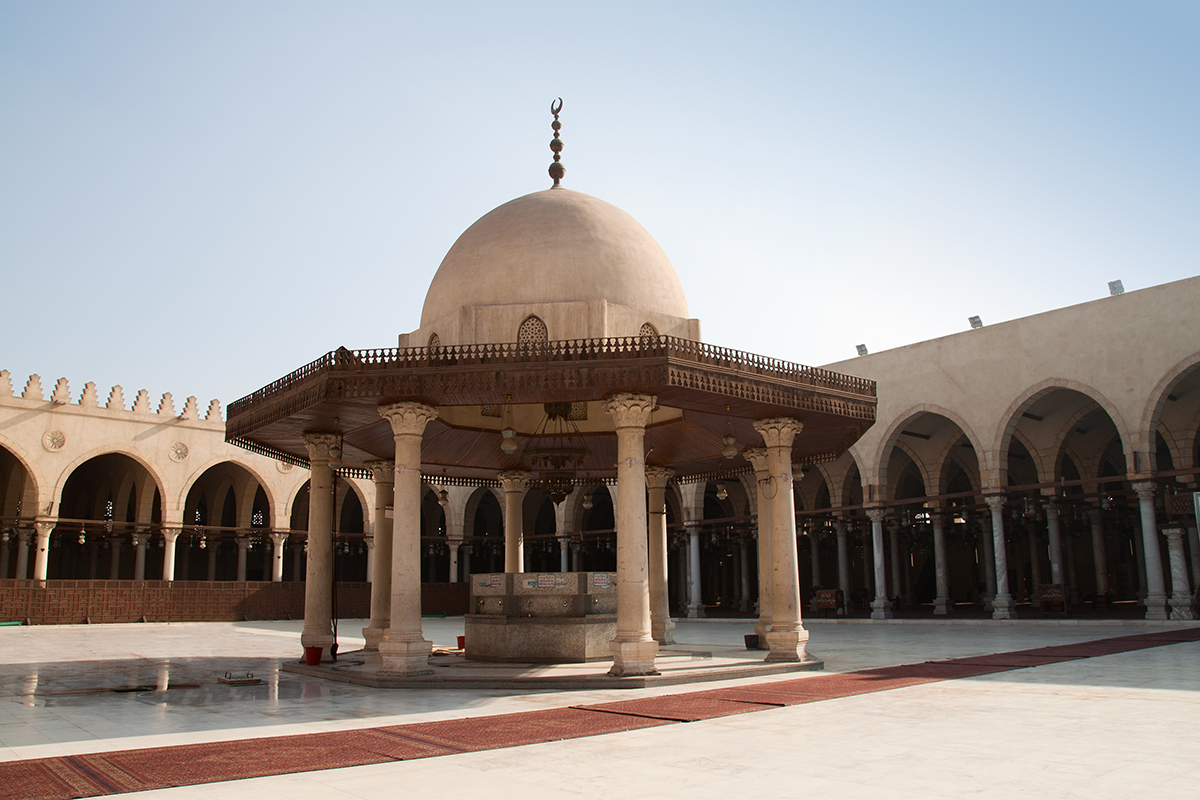
Standing at the heart of historic Fustat, the Mosque of Amr Ibn Al-As is the oldest surviving mosque in Egypt and Africa. General Amr ibn al-As, one of the early companions of the Prophet Muhammad, founded Fustat in 640 after the conquest of Egypt, establishing the country’s first Islamic capital. A year later, by order of Caliph Umar ibn al-Khattab, he founded the mosque, which became the first building of the new capital and remains an important testament to Egypt’s early Islamic history.
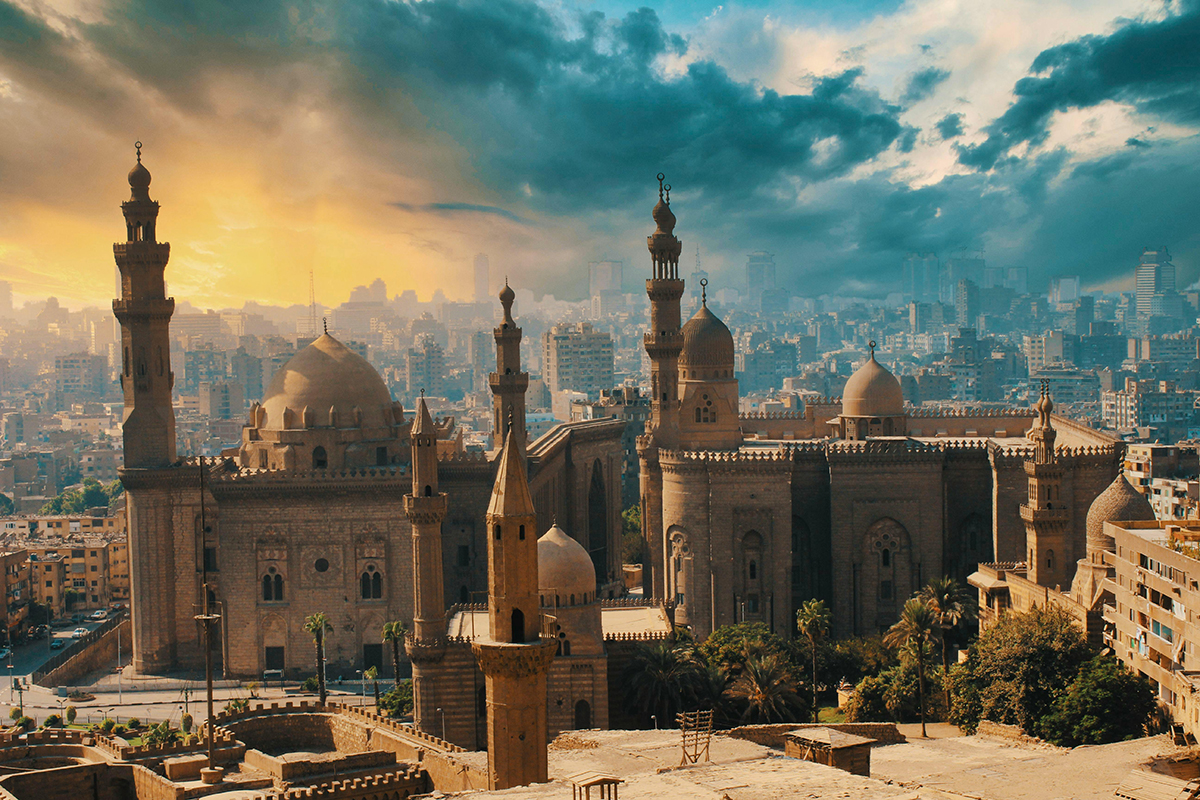
The Mosque and Madrasa of Sultan Hassan stands among Egypt’s most impressive examples of Mamluk architecture. Commissioned by Mamluk Sultan Hassan ibn al-Nasir Muhammad ibn Qalawun between 1356 and 1363, the mosque is located at the end of Muhammad Ali Street, opposite the 19th-century Al-Rifa’i Mosque in Midan al-Qal’a. Its grand courtyard, expansive prayer hall, intricate stonework, and distinctive minaret reflect the sophistication of Mamluk architectural design.
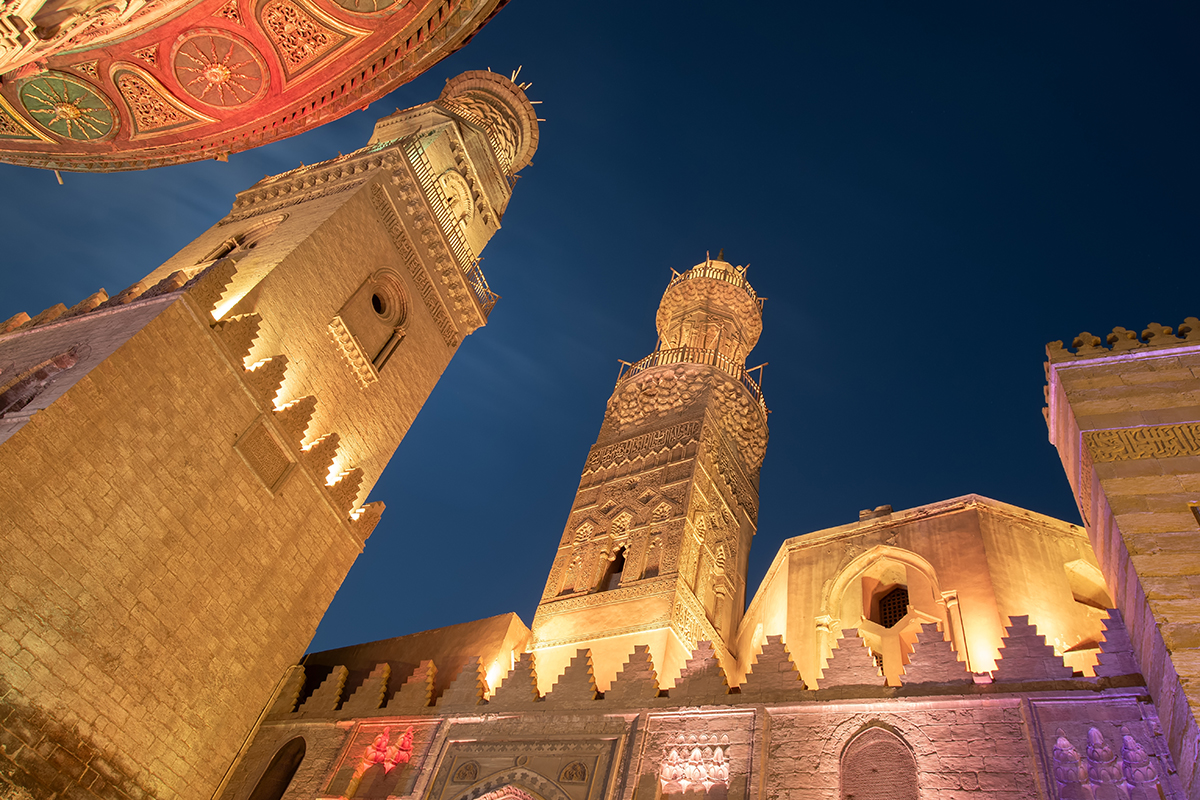
Al-Mu’izz Street is one of Cairo’s most remarkable heritage sites and the world’s largest open-air museum of Islamic monuments. Added to the UNESCO World Heritage List in 1979, the historic street was founded in the 10th century by Fatimid Caliph al-Mu’izz li-Din Allah, after whom it was named centuries later. Stretching between Bab al-Futuh in the north and Bab Zuwayla in the south, it passes through some of historic Cairo’s most significant alleys and streets, including Amir al-Juyush Street, Darb al-Asfar, Bergowan Alley, Khan al-Khalili, and al-Ghuriyya. The street has carried several names throughout its history, officially becoming known as al-Mu’izz in 1937.
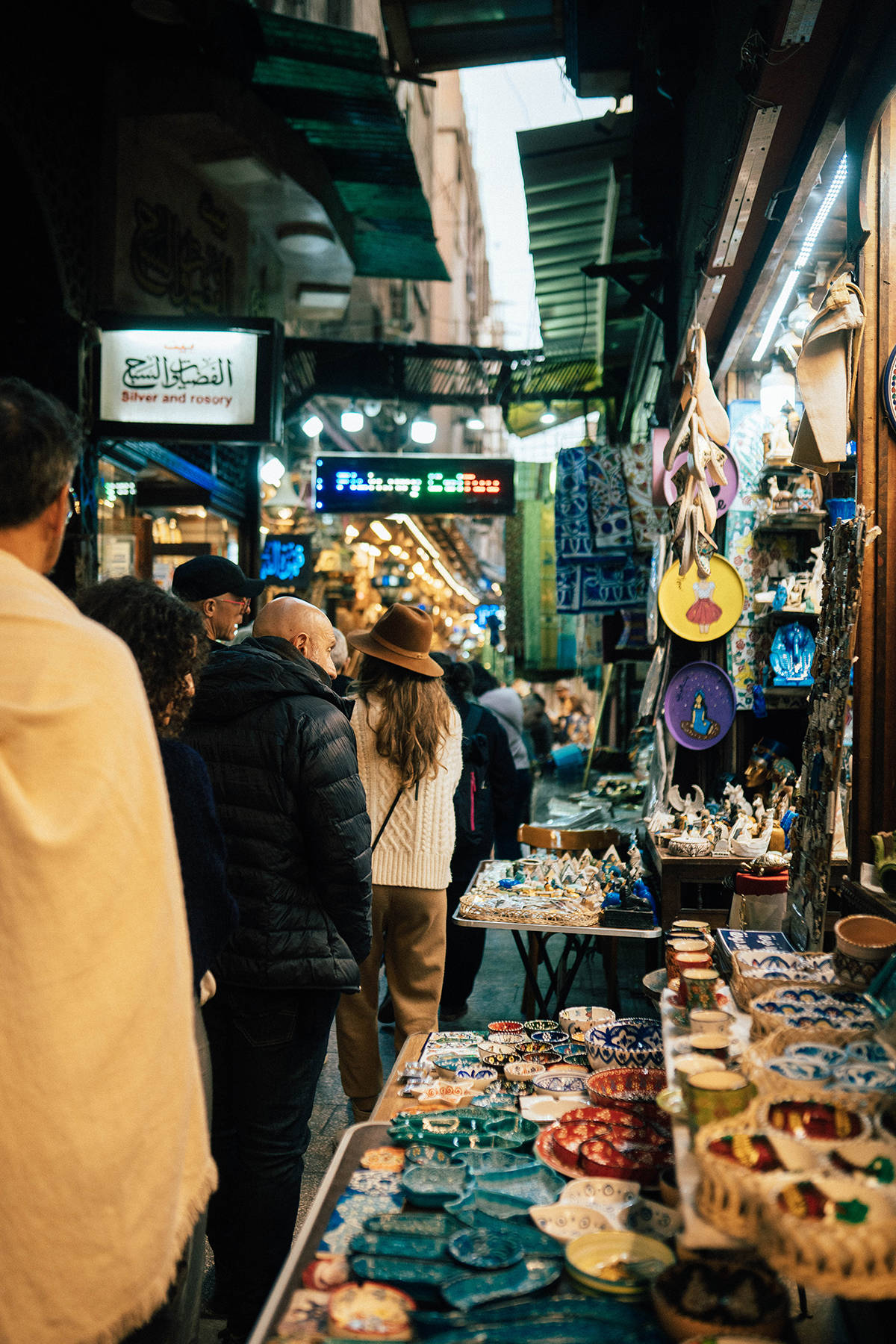
For centuries, Khan El Khalili has been a vibrant center of trade and craftsmanship in Cairo. Established during the Mamluk era and named after one of its historic caravanserais, the famous bazaar remains a favorite among locals and visitors. Its narrow streets are lined with artisans and workshops producing traditional jewelry, textiles, pottery, and souvenirs, offering an authentic glimpse into Egypt’s living cultural heritage.