
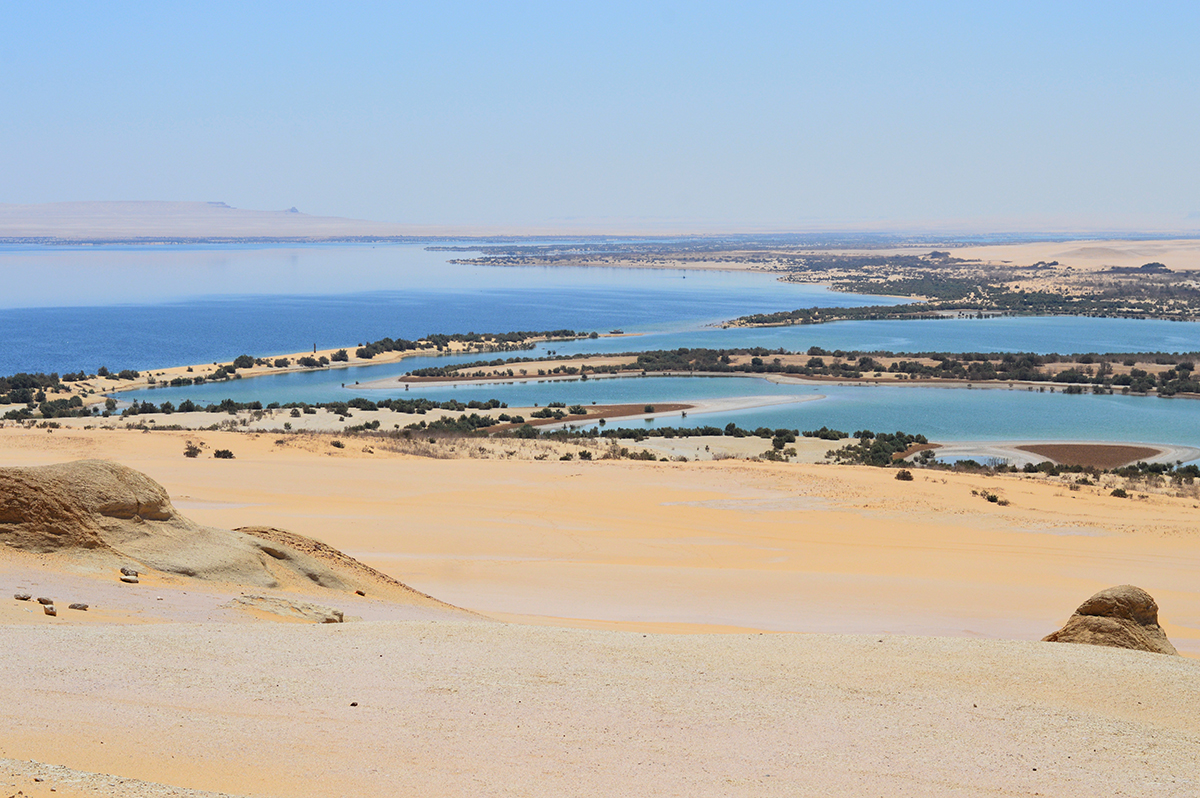
Fayoum is located close to Cairo and is considered to be the closest oasis to the city. Visitors to Fayoum can experience a wide diversity of natural landscapes, history, architecture, and world heritage sites. The city is surrounded by beautiful lakes and is known for its stunning scenery and unique natural beauty. Fayoum is home to several historical sites, including the Pyramid of Amenemhat III, which is one of the best-preserved pyramids in Egypt, and the Hawara Pyramid. Visitors can also explore the Temple of Sobek and Haroeris, which is a well-preserved temple that was dedicated to the worship of the crocodile god, Sobek.
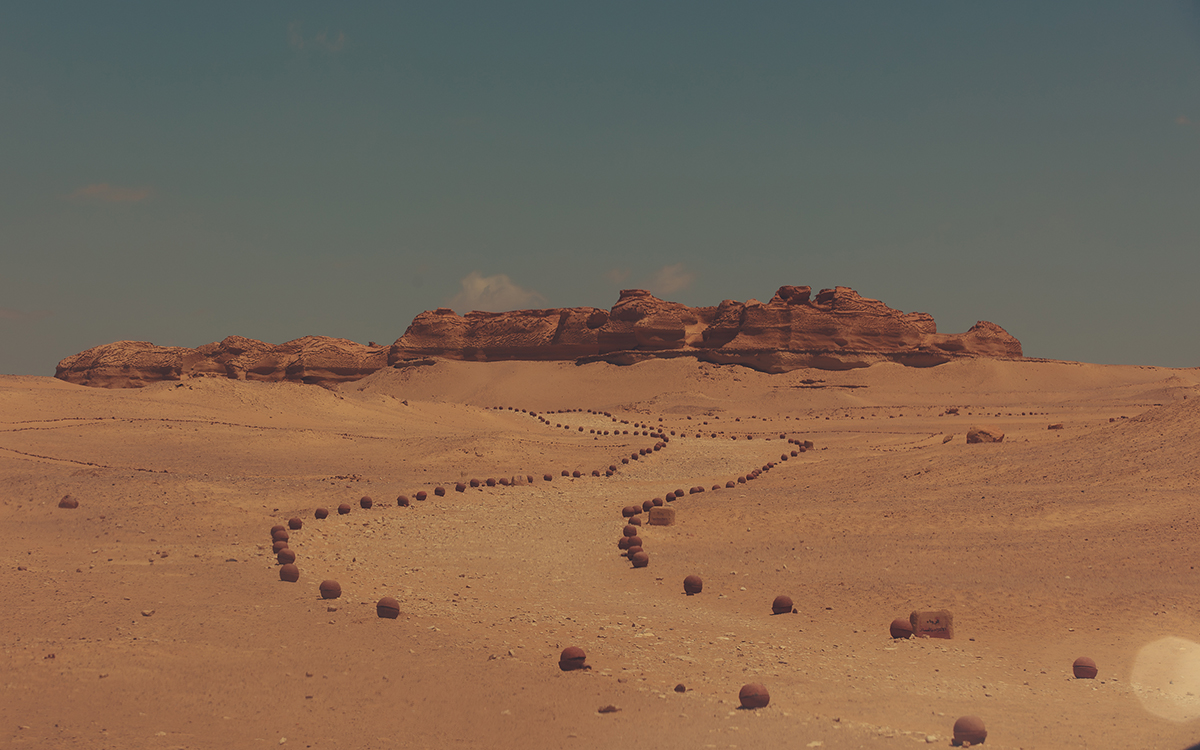
Visitors to Wadi Al-Hitan can explore and experience the fascinating history of the evolution of whales and other marine mammals. The site offers a unique opportunity to see some of the most important fossil remains in the world, including those of early horses, elephants, and sea turtles. The area is protected as a UNESCO World Heritage site, and visitors can experience the stunning natural beauty of the Western Desert of Egypt while learning about the important scientific discoveries made at the site. The fossils in Wadi Al-Hitan provide a vivid glimpse into the ancient past, allowing visitors to imagine what life was like for these early marine mammals during their transition from land to sea.
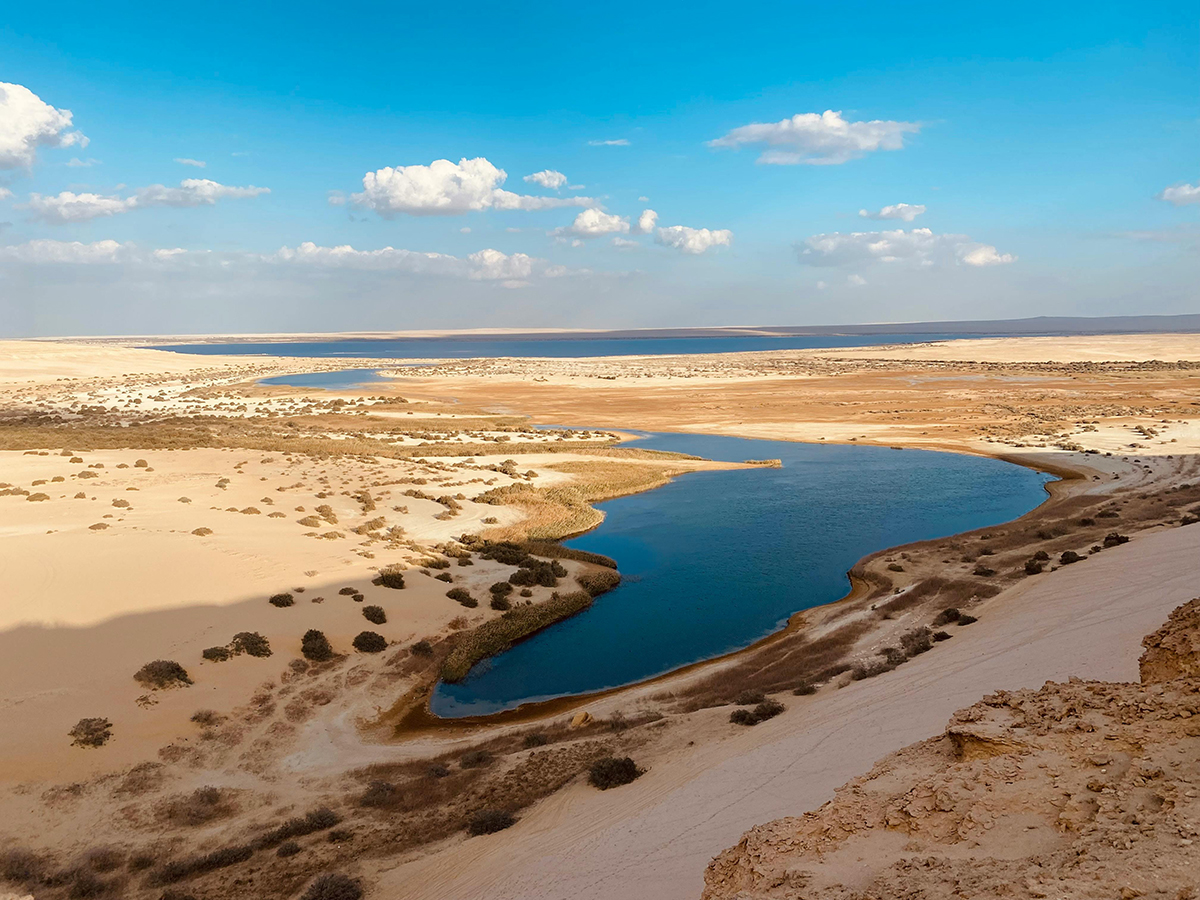
Discover Wadi El Rayan, a protected national park that spans nearly 700 square miles and is one of the many highlights of Fayoum. The park is located in the southwestern part of Fayoum and consists of an upper and lower human-made lake, with Egypt's largest waterfalls in between them. The waterfalls, located in Mansheet Zafer, also known as El Mokhtalata village in Itsa administrative center, are a result of Fayoum's unique topography. The land slopes steeply downward from south to north for 67 meters along a distance of 35 km towards Qaroun Lake, with an average slope of 2m/km. This special topography has created a stunning natural landscape, with the waterfalls being a popular destination for visitors to the park. The park is home to a wide range of flora and fauna, including several species of migratory birds, desert foxes, and hyenas. Visitors can explore the park on foot, by bike, or by car, and enjoy the stunning scenery and unique natural beauty of the area.
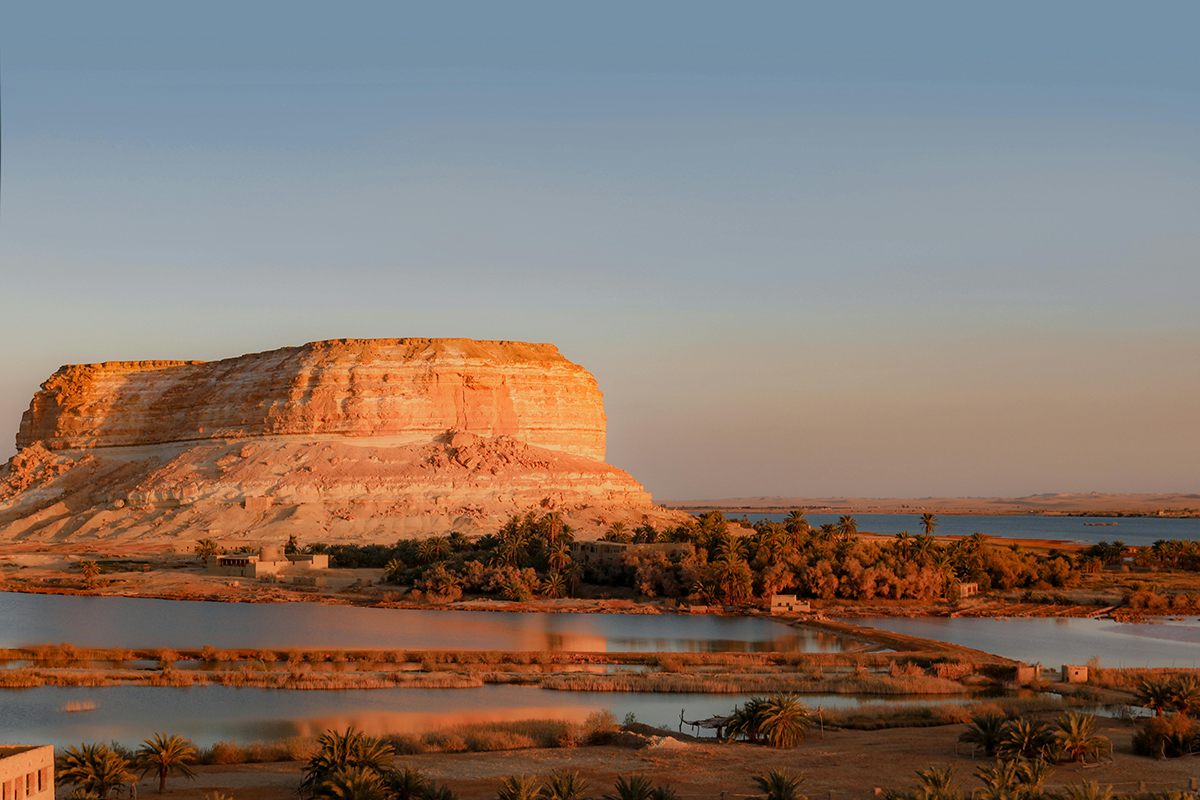
Magic Lake is a striking natural landmark located in the Fayoum Oasis, known for its unique mineral-rich waters and scenic surroundings. The lake is a popular destination for birdwatching, nature photography, and eco-tourism, offering visitors a serene environment amid the desert landscape. Its calm waters and picturesque setting make it an ideal spot for relaxation and exploration of the region’s natural beauty.
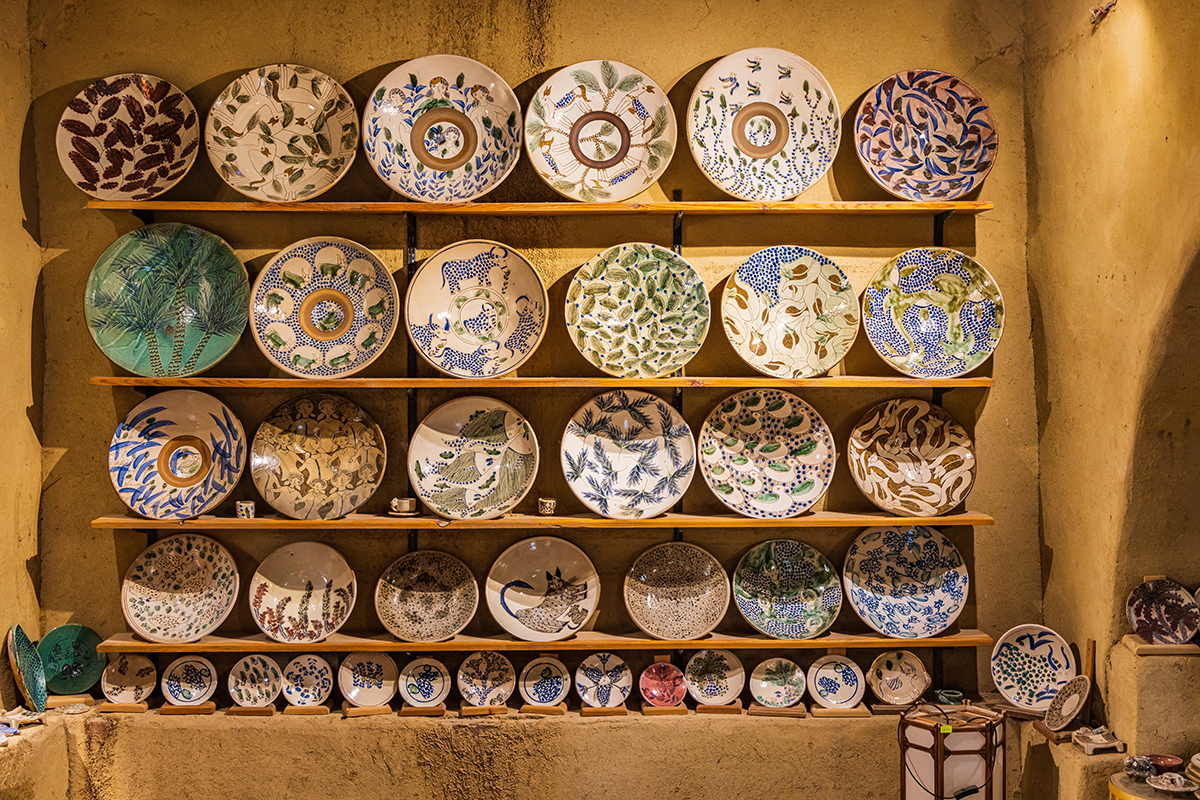
Tunis Village is a picturesque settlement located near the edge of the Fayoum Oasis, renowned for its distinctive architecture, vibrant handicrafts, and local pottery workshops. The village offers an authentic glimpse into rural Egyptian life, with colorful houses and artisanal traditions that have been preserved for generations. It is a popular destination for cultural exploration and photography, showcasing the region’s heritage and creativity.